


Consumers are more connected and informed than ever. They know their options, debate ideas, want a better world, put in a collective effort toward this goal, and expect all organizations, large and small, to join them.
While decisions made at the political agenda level may disappoint them, people prefer to confront problems directly and use the levers at their disposal, with purchasing power being one of them.
In this context, successful brands take a broad view of social changes and align with them to meet consumer needs as authentically as possible. People are more attentive to the products and services they purchase.
Consumers Hold Brands Accountable
Consumers buy and promote brands that support the causes they believe in. They want to ensure their money is spent wisely and that their purchasing decisions will have a positive impact on the community they live in.
An environmentally and socially responsible lifestyle is important to more and more of us, and these expectations are transferred to our favorite brands. Empathy is what sets the tone for debates, and consumers respond to campaigns that promote it.
Companies have understood this and use marketing tools to reach their target audience. However, besides being oriented toward achieving social good, consumers have more access to information than ever and reject initiatives that lack authenticity.
Thus, in an attempt to show support for social causes, companies can create situations that produce the opposite of the desired effects.
#MeToo & #TimeIsUp
In recent years, brands have joined various causes, from the environment, education, and mental health, to helping communities in developing countries. However, one cause that has stood out among many brands is feminism and the fight for women’s rights.
Recent social movements advocate for a society that denounces the injustices women are subjected to and demand an inclusive space where women enjoy social, political, and economic equality with men.
Denunciations of sexual abusers and inequality have created chain reactions that have materialized into true phenomena, known especially overseas, but with echoes in Europe and Romania as well.
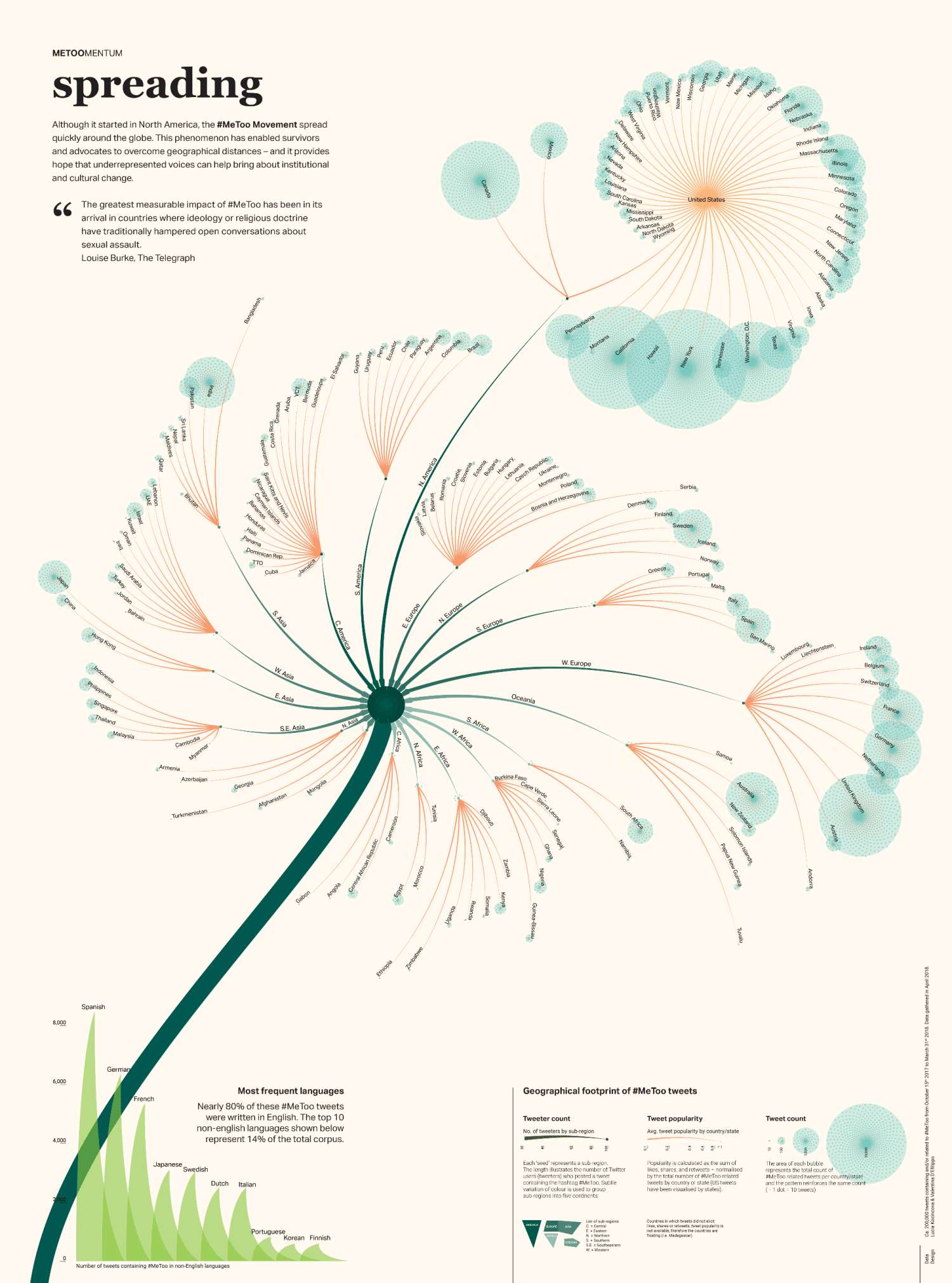
The hashtag was used by women working in all industries, but the one that stood out was the film industry, where abusers among Hollywood stars came to light.
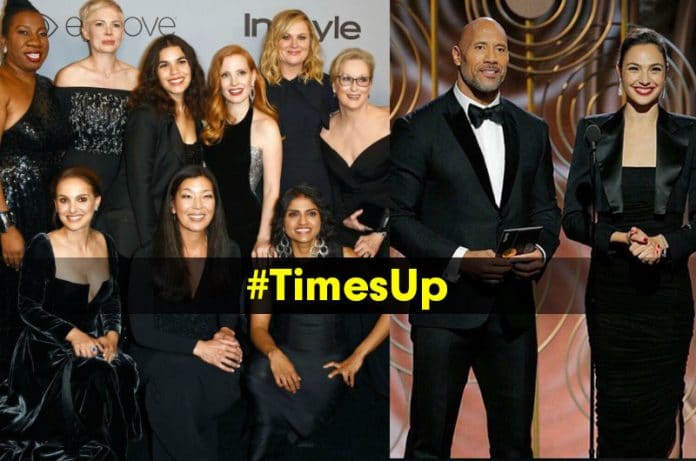
#Time’sUp is the response to the initial #MeToo movement, which materialized into an awareness campaign for the issues women face particularly in their professional lives: sexual harassment, inequality, and discriminatory pay. The campaign advocated for safety and dignity for women in the workplace.
Similar to the previous movement, #Time’sUp addressed all women, regardless of the field they work in, but the creative and film industry stood out through the solidarity of Hollywood stars who drew attention by wearing black at the Golden Globe awards ceremony.
Do we still need feminism?
Feminism means the belief that women are equal in political, economic, and social rights to men.
The movement has its origins in the 19th century when women fought primarily for political rights, with suffragettes being the ones who obtained the right to vote. The great victory for women in the 20th century was sexual liberation and obtaining reproductive rights.
Today, although women enjoy the same rights and freedoms as men, feminism continues to address issues specific to women today: sexual harassment, predetermined gender roles, discrimination, unequal pay, and the double workday.
Femvertising
The scale of the recent feminist movement was due to the solidarity women showed toward shared experiences online, joined by hundreds of influencers and international celebrities.
If ten years ago feminism was a taboo subject, especially in the field of marketing and advertising, today it introduces new values that brands follow.
Feminist movements have revealed the problems women face in their personal and professional lives, and brands were quick to capitalize on the energy generated by the communities formed around these ideas and address female consumers with messages of encouragement.
The penetration of feminism into marketing and advertising gave birth to a new term: femvertising. Femvertising means advertising addressed to women, addressing feminist themes.
Brands have not only begun to incorporate feminist messages into their marketing strategy, but they are also more attentive to the gender indicator and show openness to solving the problems women face.
Diversity in Beauty – Dove
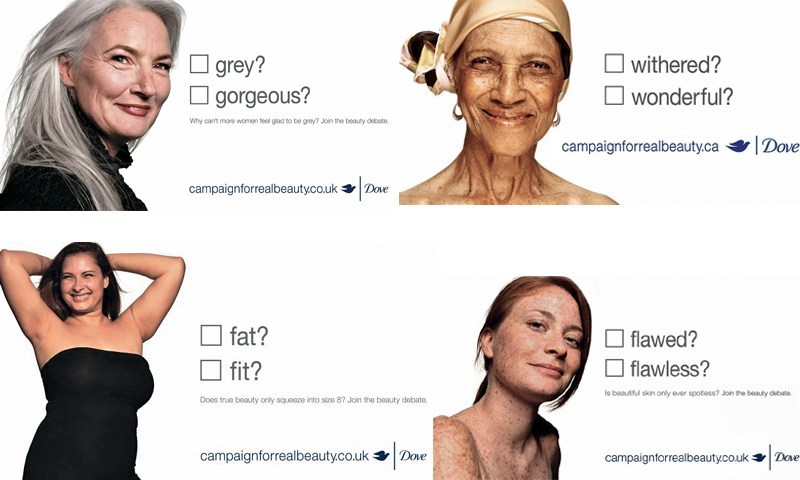
One of the most successful campaigns conveying a message of encouragement to women is by Dove. The main message of the campaign is about beauty and the diversity in which it is found, regardless of age, skin color, scars, or body weight.
The campaign, which promoted the dismantling of stereotypes and conveyed the idea of body acceptance, enjoyed huge success, running for more than 15 years internationally.
Toxic Masculinity – Gillette
An advertisement that sparked controversial reactions belongs to the razor brand, Gillette. The company chose to join the MeToo movement through a campaign denouncing toxic masculinity.
Toxic masculinity represents a set of behaviors attributed to men through gender roles. These behaviors are physically, emotionally, and verbally violent. Toxic masculinity creates a sexist and hostile environment for both women and men.
Thus, the brand aired a commercial with a strong emotional message during the Super Bowl. The spot illustrates various situations where boys are shown alternatives to harmful behaviors by other men close to them.
https://www.youtube.com/watch?v=koPmuEyP3a0
The clip generated controversy on social media, with many men expressing dissatisfaction and threatening to boycott the brand.
The company’s reaction was firm, however, maintaining its message and emphasizing that their goal was to broaden the space for discussion on this topic, and if people are discussing the subject intensely, it means they have hit their target.
Workplace Discrimination – Pixar
The animated production studio Pixar has addressed the theme of gender equality in the workplace. According to a study conducted by McKinsey, men are more likely to see the workplace as a place of equity, while women feel sexism more strongly.
In an animated short film, the main character is Purl – a ball of pink yarn – who is very ambitious to achieve professional success and gets hired at a corporation dominated by men and a “bro culture” (bro culture).
In an attempt to be accepted, Purl adopts behavior similar to her new colleagues, but realizes she was wrong when a new colleague appears, also a ball of yarn.
https://www.youtube.com/watch?v=B6uuIHpFkuo
The main message of the animation can be summarized in the words of Maya Angelou: “Each time a woman stands up for herself, without knowing it possibly, without claiming it, she stands up for all women.”
The creator of the animation, Kristen Lester, says she was inspired by her own professional experience. The reactions were extremely positive, with many other women identifying with Purl’s situation.
It’s a crazy dream until you do it – Nike
This year at the Oscars, alongside Serena Williams, the sports brand Nike celebrated 30 years of the famous slogan “Just Do It”. To this end, they launched an advertisement featuring images of champions who have broken barriers in the world of sports.
Thus, athletes who broke the rules of the time, gay, transgender athletes, or those wearing a hijab appear. The situations in which they appear are when they express their feelings: anger in the face of injustice or the ecstasy of winning the competition. Tennis player Simona Halep also appears in the clip.
https://www.youtube.com/watch?v=whpJ19RJ4JY
The message conveyed by Serena Williams in the commercial is to remove the stereotypes attributed to high-performance female athletes. The clip rejects the idea that women are irrational, angry, or hysterical just because they want equal treatment to men.
Criticism of Femvertising
The main criticism of Femvertising argues that brands practice a fake feminism and all they do is capitalize on a movement fighting for equality, while many industries promote irresponsible consumption targeted at women.
Inconsistent messages
Consumers are informed and ready to penalize initiatives that are not authentic.
For example, although Dove promotes diversity and gender equality, the brand is part of the Unilever group. The Axe brand, known for its misogynistic advertisements, is also part of this group. Thus, consumers notice the inconsistency of the message and reject it for its lack of sincerity.
Illusion of equality
Femvertising, through its positive messages, can give the impression that gender equality has been achieved and thus creates an illusion of diversity, which is actually missing.
Automotive manufacturer Audi launched an advertisement during the Superbowl gala with a message about gender equality and how its absence can affect girls.
Consumers, however, as in the previous example, noticed the lack of such messages in the past and even pointed out the fact that there are no women on the board of directors.
Double standards
Although the messages that marketers want to convey are positive and propose change, they should not encourage or perpetuate sexist attitudes.
If the hair care brand Pantene encourages women to stop apologizing and accept who they are, the beauty industry, of which the brand is a part, contradicts it.
Women spend dozens of times more than men on beauty products designed to hide imperfections and aging.
Address women in an authentic and empathetic way
Consumers want social change, but at the same time, they pay attention to how it happens. Otherwise, they are willing to publicly sanction any inconsistency.
Brands that understand this and add the ingredients of authenticity and empathy to their marketing strategies will win. For successful Femvertising campaigns, keep the following in mind:
Think twice
Before joining a cause, make sure the message you want to convey is in line with the values your brand truly believes in.
It is expected that when you take a stand, you will receive criticism from both opponents and supporters. For this reason, it is important to look at the issue from multiple angles before acting.
Practice what you preach
It’s not enough to talk about equality. It is important that equality is also reflected within the organization: equal opportunities for everyone, equal pay for male and female employees, allowing women to advance into leadership positions, and encouraging diversity.
In this regard, last year MKOR Consulting signed the Diversity Charter. We have thus committed to promoting the recognition and respect of diversity, equal opportunities, and social inclusion within Romanian society.
Go beyond the hashtag
Think about what you could do beyond the Femvertising campaigns the brand promotes. Consumers are not satisfied with just a message of encouragement and want to see a concrete impact.
For example, the spirits brand Johnnie Walker, for International Women’s Day, transformed its logo into a female version, Jane Walker.
Although it seems like a surface-level campaign, the brand didn’t stop there and donated considerable amounts to organizations fighting for women’s rights. Moreover, the company spoke about diversity through the company’s Chief Financial Officer (CFO).
Women in Romania need us
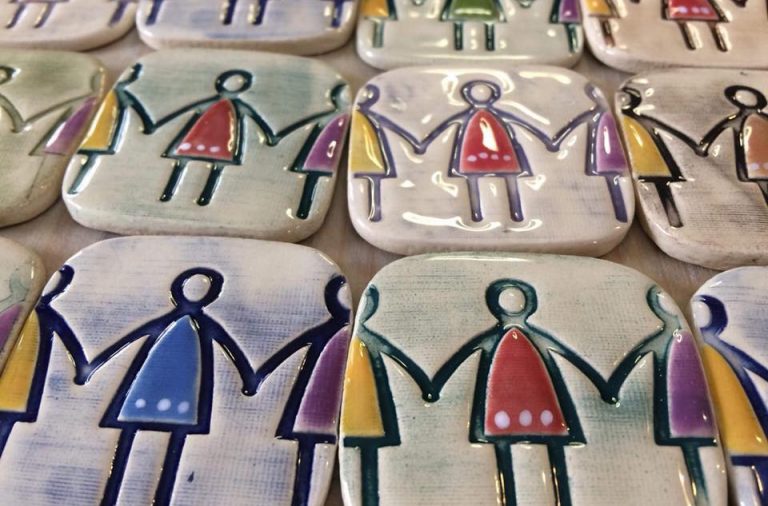
Because we strongly believe in the values we promote and in gender equality, this year on March 8th (International Women’s Day) we chose to donate 20% of our income tax to the A.L.E.G. association.
A.L.E.G. is the Association for Liberty and Gender Equality, which operates in the field of combating and preventing violence against women and promoting gender equality.
According to official data, the number of victims of sexual violence and domestic violence is increasing. And in the context where authorities are turning their backs on victims, we believe that any support in this regard contributes to giving women a new chance to go through suffering with dignity.
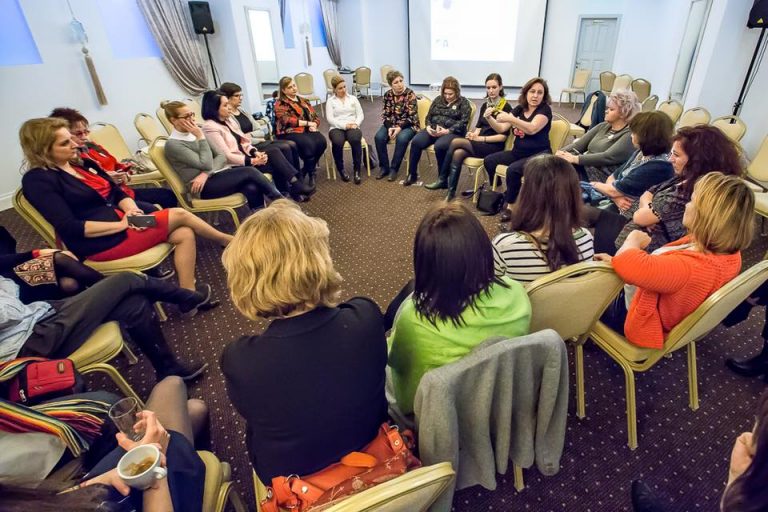
The association’s team provides information services via phone, email, or face-to-face, and specialized staff including on the topic of sexual violence, as well as legal assistance.
The association has developed the #SiEuReusesc support group, which completes the service package designed to help any woman find the resources to overcome violence.
Have you read everything? Comment / join our newsletter / read our other research posts!