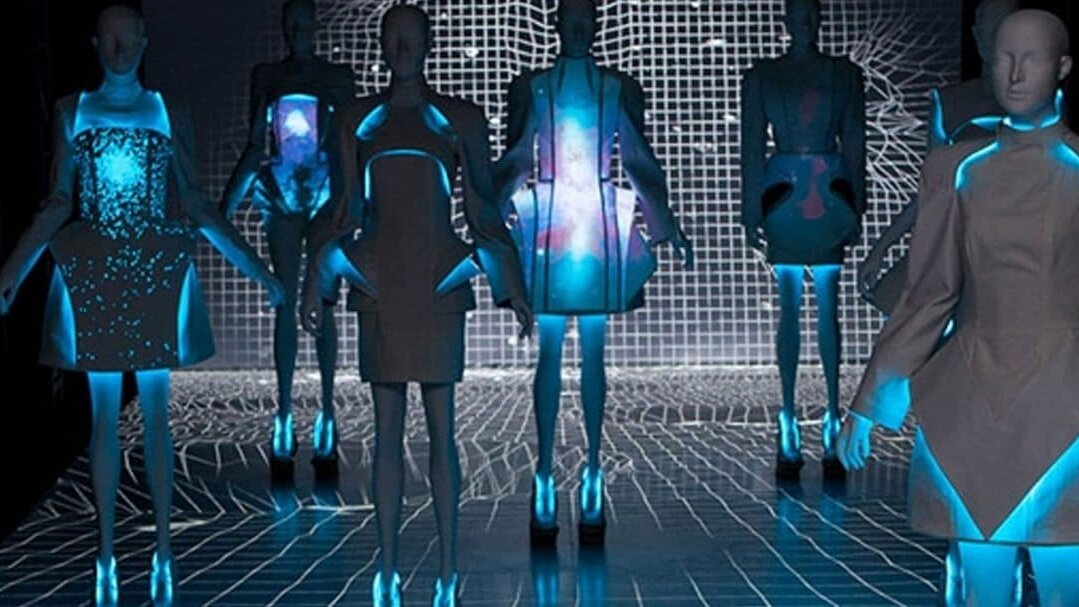



We believe in the power of love between Retail and Digital, which is why we developed this formula: Retail + Digital = ♥ CX. Read on to find out what this formula actually means.
In a world where digital is omnipresent, consumers have access to unlimited information and alternative options at any time.
Starting from this, retailers are trying to offer shoppers unique experiences, whether online, in-store, or a combination of the two.
Consumer Experience or Customer Experience (CX)
Customer Experience is about attracting and retaining customers. Top marketers integrate user experience into all business departments, with initiatives that blur the lines between marketing, sales, and services.

Often, important elements of user experience are found in sales or customer service—departments that marketers explore, alongside production, to understand and define a unique perspective on the customer.
In other words, marketing must be understood by all departments to create, together, an unforgettable experience for the customer.
The role of technology in personalizing the customer experience
With the help of technology, online features are making their way directly onto store shelves. Retail and technology will become inseparable. Artificial intelligence, virtual & augmented reality, and the Internet of Things will contribute significantly to personalizing the shopping experience.
Consumers are constantly searching for unique experiences and reward those who provide them. Smart retailers understand that stores should be treated like their own home. This means a type of hospitality that invites customers into a warm and welcoming space, a place where products are not sold aggressively.
Consumers know the power of transparency and can use it to choose from a variety of options. If a customer does not have a positive experience with a brand’s customer service, they will immediately turn to the competition.
This represents a threat to brand loyalty, and to prevent it, retailers focus on the entire consumer experience, from the moment they think about buying until the post-purchase stage.
Solutions implemented by major brands
In the following, we will present some examples that major brands have implemented. Each of these examples highlights both strengths and weaknesses, where applicable.
Harrods
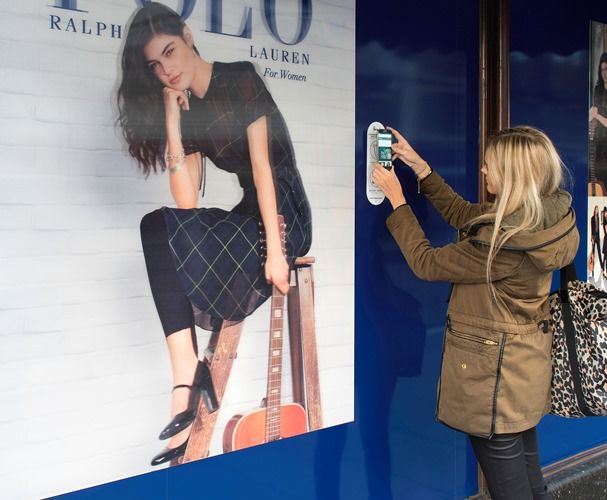
To promote their new clothing line, Harrods stores implemented several interactive screens.
The screens provide stickers that can be scanned with a mobile phone, allowing for online product purchases even when the stores are closed.
This approach increased online sales by 15%.
Amazon
Amazon has opened a series of bookstores where it sells physical books. However, the retail giant encourages its customers to leave empty-handed but order the book online or download it directly to devices such as Kindle.
The physical store is more of a way to showcase product diversity than a place of purchase.
✔ The displayed books are accompanied by reviews that Kindle – Amazon community members provide online on their platform.
✔ In the store, there are barcode scanning stands for products to see what kind of promotions for Amazon Prime members exist at that moment.
✔ The store has a section that recommends books based on the time required for a full reading. Information regarding the average time spent on a book is provided by Kindle ebook users.
Pizza Hut
Pizza Hut has created an interactive table that allows ordering and customizing a pizza according to preferences, from size, crust, and toppings. The table is based on touchscreen technology, which offers increased freedom to consumers in choosing the desired menu and payment method.
The experience is completed by the possibility for customers to choose how to spend their waiting time until the order arrives, being able to opt for various games.
METRO
The METRO store chain has installed stands in the form of vegetable gardens in its stores in Germany. In this way, in addition to fresh vegetables, the retailer also offers transparency regarding the origin of their products.
The Paris Municipal Museum
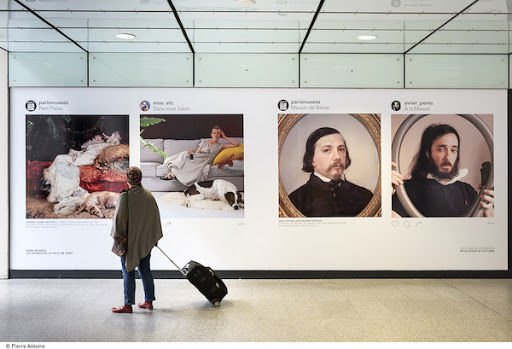
Although it does not fit the definition of retail, the Paris Municipal Museum felt the need for a campaign to attract a young audience to cross its threshold.
Thus, the museum management thought of attracting young people to the museum by speaking their language.
To do this, they turned to 10 social media influencers whom they asked to reinterpret famous works of art in their own style.
For online promotion, they used the hashtag #ParallelesParisMusées, while offline they used outdoor prints.
General Electric
General Electric, one of the largest corporations in the world, launched a live streaming campaign to increase transparency regarding their operations.
To do this, they turned to two of the hottest trends: video streaming and drones. For 5 days, with the help of a drone that flew over their facilities, they broadcast live images.
Old Irish Beer
The Old Irish beer brand blurred the line between “real” and virtual reality with a unique experiment.
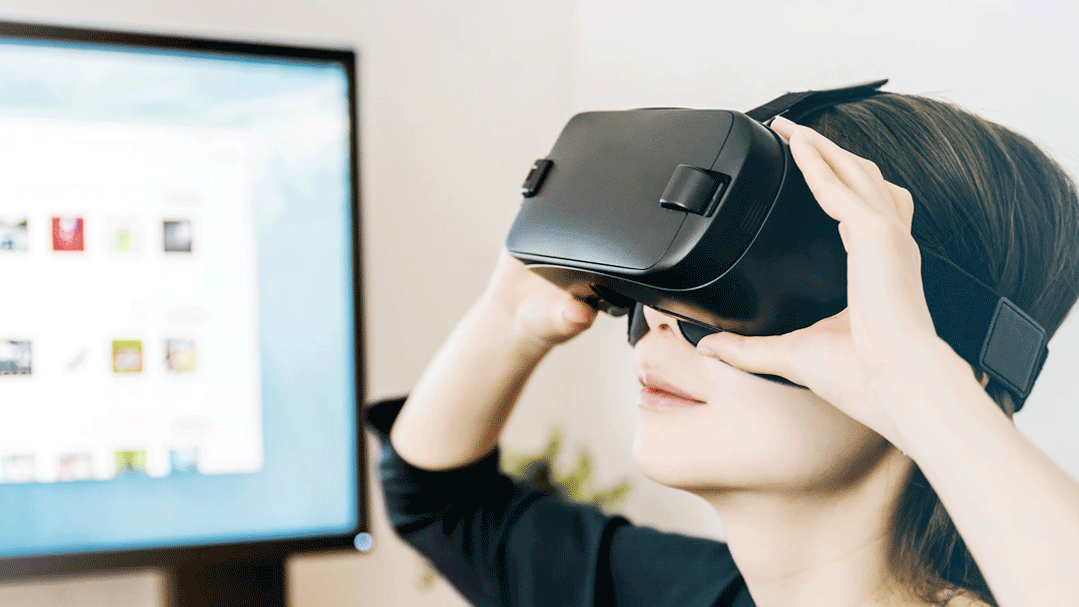
Passers-by in the city were stopped and offered VR glasses that transported them to the green fields of Ireland. Meanwhile, around them, a bar full of partying Irishmen is set up.
Their surprise is not small when they take off their glasses and are served a beer.
Virtual Reality in Retail
A VR application in retail consists of the layout of the commercial space.
VR is a helpful tool for arranging your own products on the shelf in an optimal way that is attractive to customers.
Basically, with the help of software and hardware components, retailers can visualize the spatial arrangement of products and try numerous configurations, without incurring the costs of an actual layout.
In Romania
The trends manifesting in large, already developed markets are expected to develop in Romania as well.
Digital solution providers have recently shown their intention to expand their service offering on the Romanian market, which represents an additional signal that the Romanian market will be the arena for implementing trends.
Lidl
The retailer Lidl, through a collaboration with Heidi Klum, launched a fashion collection of clothes that could be reserved online and then picked up from a concept-store.
✔ Association with super-model Heidi Klum.
✔ The Esmara by Heidi Klum pop-up store operated exclusively between September 18-24, in a central location, in the Magheru One building.
✔ The collection was limited in time, thus having an exclusive character. For online, they created the hashtag #letswow.
✔ Online order reservation facilitates stock control in the physical store.
✔ Placing advertising content in navigation apps (e.g., Waze) drew attention to the existence of this unique space: people do not expect a retailer like Lidl to operate in the city center.
Kaufland
Kaufland has introduced in Romania a mobile application that allows for faster shopping.
Kaufland Scan&Pay allows customers to directly scan the product’s barcode, thus eliminating the time spent placing products on the conveyor belt, at the checkout, and back into the cart. Payment for the products is made later at a self-checkout in the store.
Among the advantages of the mobile application are the possibility to view the history of previous purchases and scanning the product once with the option to multiply the chosen quantity.
Auchan
The Auchan store chain is undergoing an extensive digital transformation, and in several stores in Romania, some changes can be observed.
Thus, at the end of the aisles, there are two screens displaying images of existing offers. This way of advertising is convenient for both the retailer and the consumer.
Among the advantages of these screens, we note: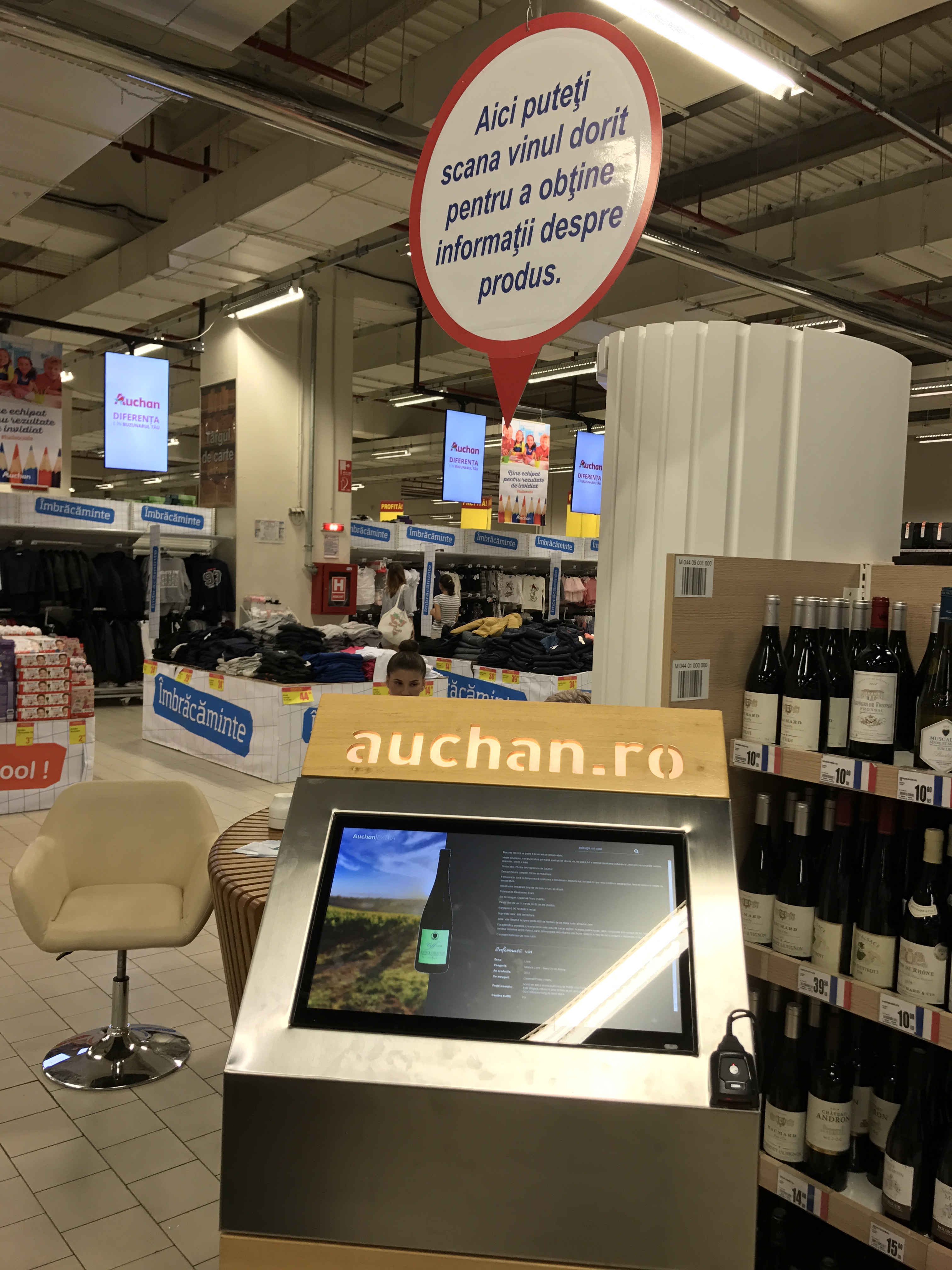
✔ Since paper and plastic prints are no longer used, long-term costs are reduced, making them more environmentally friendly.
✔ Offers can be updated in real-time, depending on what is on the shelf.
✔ The screens are easy for customers to spot.
Another device encountered in the store was a digital totem aimed at promoting a specific product section.
With the help of the totem, you can find out the story of the wines, what they can be paired with, and the price. To access this information, scanning the barcode is sufficient.
H&M
Customer experience (CX) is exploited through brand activations, in confined spaces and for a limited period of time.
This is the case for the H&M brand which, in 2016, during the Untold festival, used 2 interactive installations: a pool full of balls to simulate the sensation of stage diving and a virtual catwalk, i.e., a treadmill on which participants could move to the rhythm of the music.
At the end, participants could post the video on social media channels.
What can you do for your brand or business?
Although technology trends will dominate the evolution of retail in the coming years, the importance of human-centered design cannot be ignored.
Companies that understand the importance of a creative and holistic approach, which provides a pleasant experience for consumers, will gain an advantage over their competitors.
Every customer has different shopping habits. Based on the observed habits, personalize the customer journey, emphasizing individual characteristics.
Thus, instead of price, you will differentiate yourself through a unique customer experience.
Turn to MKOR!
Are you thinking that a digital solution is exactly what you need now to increase the number of customers and build loyalty? MKOR experts can support you!
And if you liked this article, subscribe to the newsletter to stay up to date with the latest trends in Tech & Marketing!