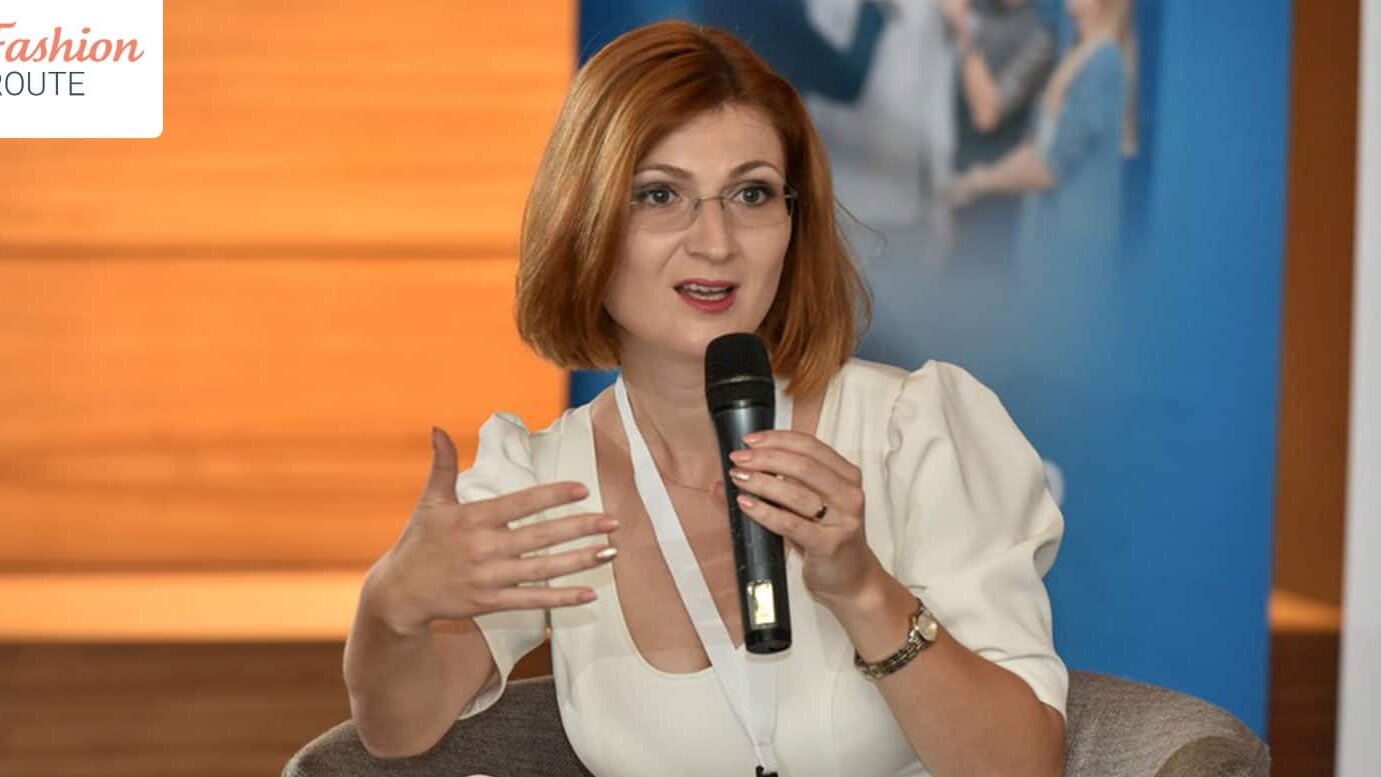



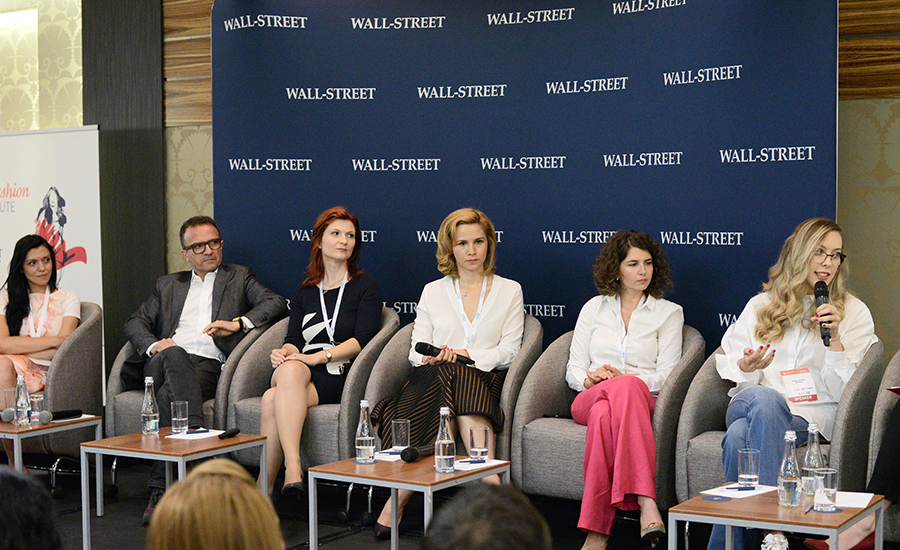
The recent series of conferences continues with Fashion ROute, an event dedicated to fashion retail and organized by Wall-Street.ro. Corina Cimpoca, founder of MKOR, was present at this conference as a speaker alongside other top names in the industry.
About Fashion ROute
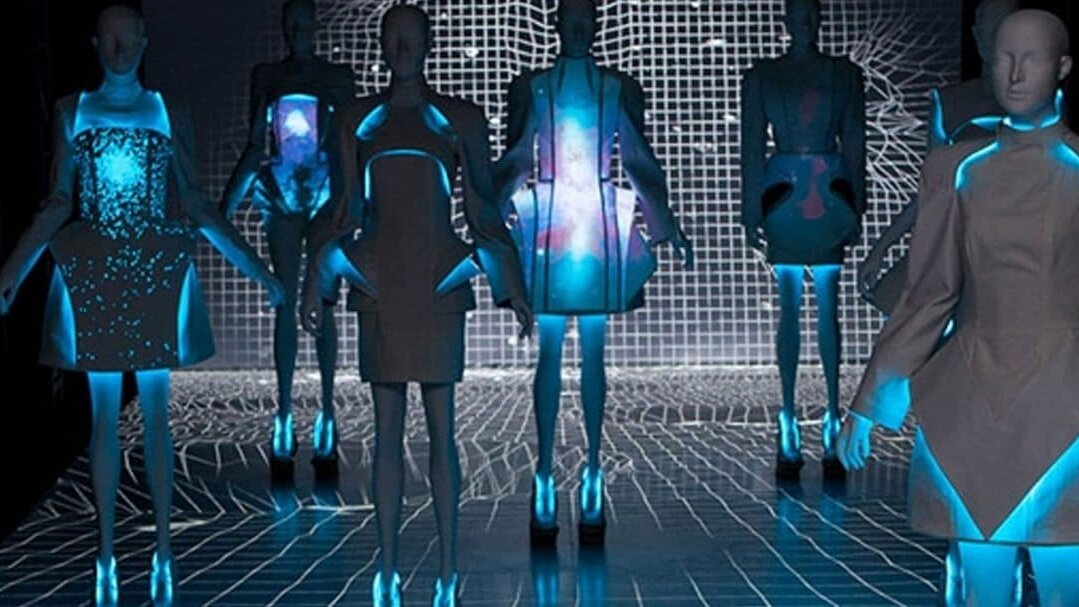
Structured as a one-day conference, Fashion ROute provided an overview of the journey taken by clothing and accessories from moment zero—the production stage—until they reach the shelf.
In addition to the industry analysis—market size, local, foreign, or e-commerce players—the event focused on the challenges encountered from launch to international expansion.
MKOR kicked off the discussions
Corina delivered a presentation on the Romanian fashion market, which served as the basis for the subsequent discussions with the guests. The presentation focused on the Romanian fashion market, its specifics and dimensions, how it is divided between brick&mortar and online retail, and the share of local production versus foreign retailers.
The insights were interesting and appreciated, given the interactive debates they generated. The audience also participated in the debates: representatives of major retailers, boutique owners, consultants, fabric manufacturers, and those directly interested in the fashion market.
The Fashion Sector Market in Romania
Corina started the presentation with a macro-analysis of the market, supplemented by two market studies developed by MKOR Consulting in-house.
The evolution of the entire fashion market shows a 15% increase compared to last year, an upward trend confirmed by the industry representatives in the room.
However, while total consumption increased, production remains constant, compared to a -1% decrease in the previous period.
Exports also decreased in the last fiscal year, with a -3% evolution compared to the previous year, which had also recorded a -3% decrease compared to the previous YoY.
What are the implications of these developments?
- Export demand decreased (most likely for lohn production, which represents 70% of domestic production), while production remained constant.
- More Romanian-made goods remain in the country for consumption. This scenario can be supported by the fact that while we export less and produce the same amount, we consume more.
Below you can browse the full comparative study as presented during the conference:
The Fashion Retail Market
30.8% of representative international retailers are present in Romania, a share that places the country 32nd in the international rankings, ahead of Greece, Hungary, and Bulgaria. The UK and China have the best representation among retailers.
Speaking of the giants H&M, Zara, and C&A, which dominate the Romanian market, they have a combined turnover of 550 million Euros, representing a market share of 17.6%.
Major retailers prefer established areas in 94% of cases, within shopping centers (82% of them) and in Bucharest (CBRE).
Turnover increases for fashion retailers, ranging from 10% to 30%, represent some of the most spectacular growth in the region and one of the reasons for the Romanian market’s attractiveness.
Detailed information can be found in the Fashion Retail Market Study.
Fashion Retail: Online vs. Offline
According to MKOR consumer studies, although ecommerce is growing, there is still a clear consumer preference for physical stores.
This is evident from the market study conducted by MKOR Consulting in November 2016 in the main malls in Bucharest: 96% of the total respondents, customers of Bucharest malls, said they prefer coming to the mall to buy their clothing items, and 20% of them also usually buy clothes online.
Consumers, on & offline habits
Romanians are on equal footing with Europeans when it comes to fashion consumption.
Romania is also considered a key market for all major players in the fashion industry, although the average salary is only 400 euros – among the lowest in Europe.
For example, during a simple visit to the mall, Romanians spend an average of 25 Euros on clothing items.
The monthly budget is approx 300 lei for fashion items, which represents almost 10% of the average income in Bucharest (3219 ron, December 2016, INSSE).
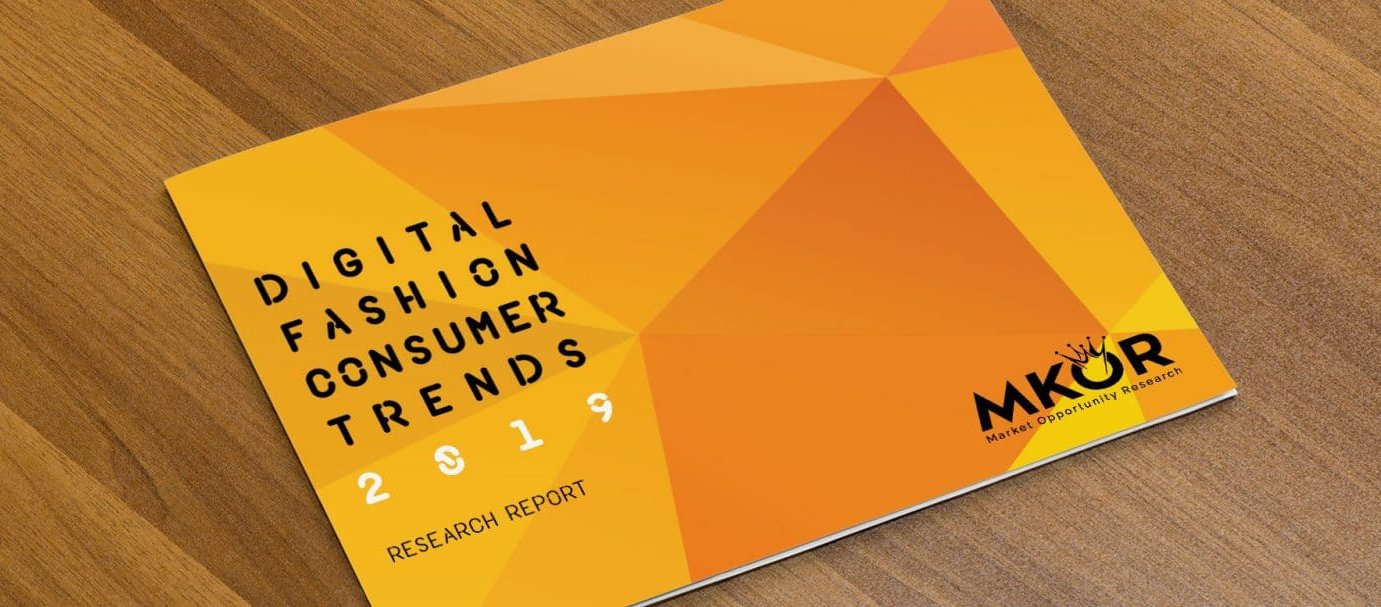
UPDATE: Digital Fashion Consumer Trends 2019 Study
At the beginning of 2019, MKOR Consulting launched a new research on the fashion industry. Digital Fashion Consumer Trends 2019 highlights the link between online and offline in fashion and how new digital technologies influence the shopping experience of consumers in Romania.
In the research report, you will discover new opportunities with the help of the latest data from the fashion sector. Download the study for free (demo).
What is your opinion?
We would love to hear your opinion on the presentation of the Romanian fashion market. How useful do you find the information? Would you like to find out something specific from your market? You can send us your opinion here or we can meet for a coffee to discuss more details.
Have you read everything? Comment / join our newsletter / read our other research posts!