


In the article The COVID-19 Infodemic: The Spread of the Fake News Phenomenon during the Pandemic, published in 2021 on our blog, we discussed fake news in the context of the COVID-19 pandemic. In this extensive material, we highlighted the dangers of misinformation on society and individuals, as well as the most effective ways to identify and stop the spread of fake news.
Even though the fake news phenomenon reached an unprecedented scale during the COVID-19 pandemic, it did not disappear once infection rates dropped. Moreover, in the context of the armed conflict in Ukraine, it is returning to the center of our attention.
What does fake news mean?
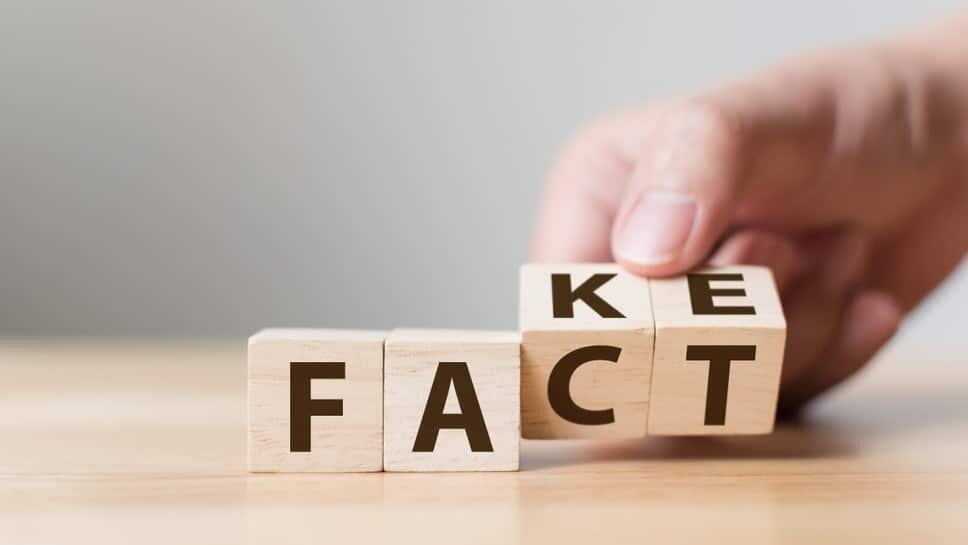
In short, fake news represents false information (wholly or partially) that is published and promoted as being true. As mentioned in the article above, the term “fake news” appeared relatively recently, but the phenomenon of misinformation has always existed in society, often being identified with propaganda.
Propaganda is still present in various regions of the world, represented by media control by non-democratic regimes. By comparison, the fake news phenomenon is much broader, as it manifests at an individual level. Through technology, anyone can create, distribute, and promote untrue information.
Paradoxically, access to technology has given us the ability to instantly express our opinion and make it public, but the availability of information online makes it difficult to establish the veracity of data.
The immense volume of information that every individual encounters daily becomes increasingly hard to filter in order to choose only what is true. Therefore, most of the time, people distribute false information even unintentionally, thus amplifying the fake news phenomenon.
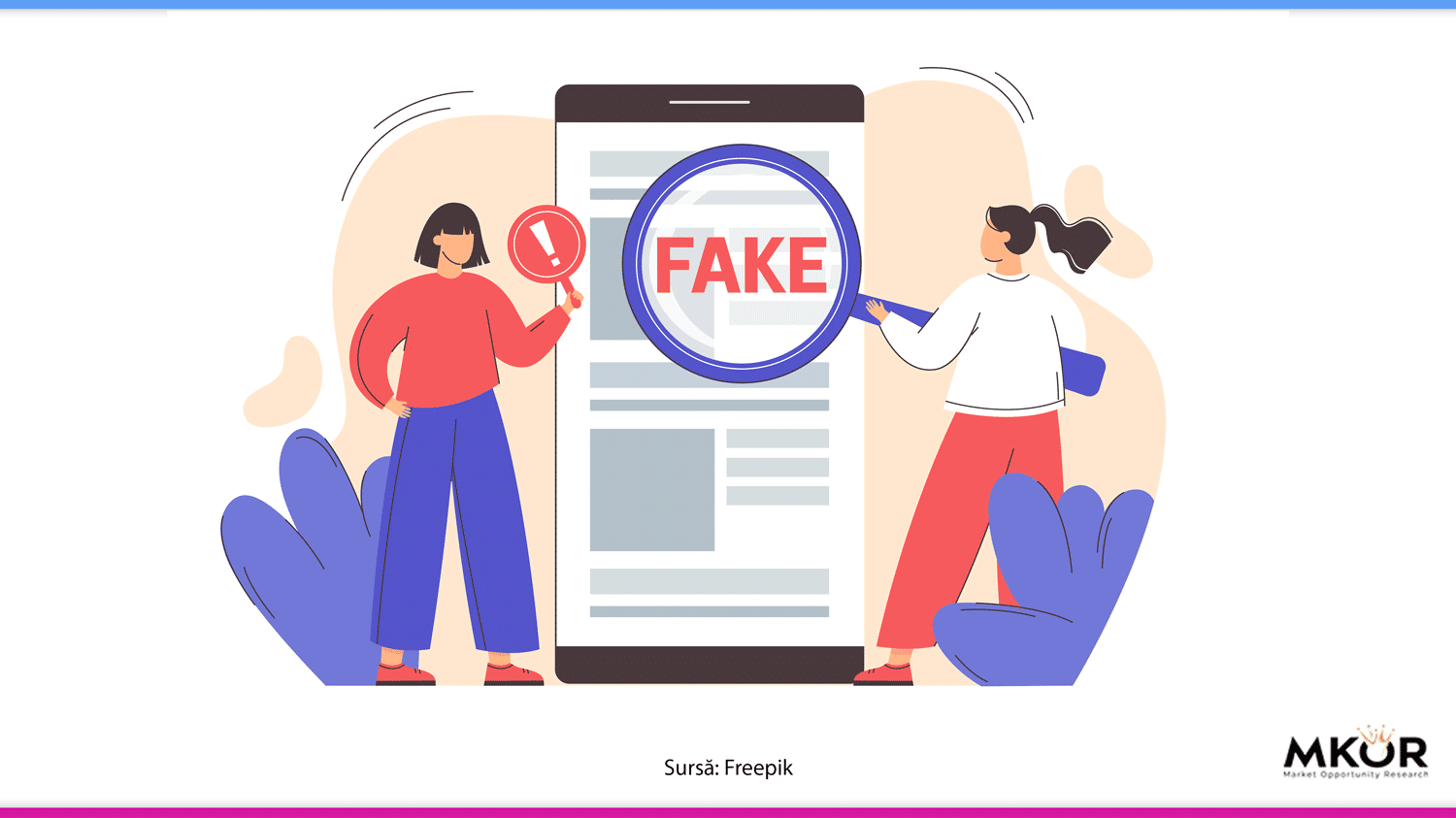
Social media is one of the preferred tools for spreading misinformation
So far, 3.96 billion people have used social media in 2022, according to data from Statista.com. All these people use social media channels for information as well, not just for socializing. Consequently, the probability of a fake news story appearing and propagating via options like Like and Share is considerable.
Today, social media channels are the ideal environment for spreading misinformation. Behind fake news spread on social media, there may be fake user profiles, phantom websites, bots, or even real people paid to distribute false information.
Users’ lack of willingness to verify sources before sharing information, as well as poor education, are the premises that have amplified the spread of fake news. Furthermore, false information can also be picked up and passed on by users as a form of amusement and irony, yet the danger remains the same.
What are the dangers of misinformation?
One of the dangers of disinformation is represented by fake news transmitted by opinion leaders or influencers, as well as by any other persons followed by a significant number of followers. As a rule, the followers of opinion leaders align themselves with the trend that the latter set, thus allowing erroneous or false information to spread more quickly.
An important aspect here is that some users take the false or erroneous information and act upon it. A BBC team showed the link between several rumors related to coronavirus treatments and the injury or even death of some people.

Solutions to stop disinformation and reduce the dangers of fake news
Fake news has spread massively around the world since the beginning of the COVID-19 pandemic. Even though vaccines against coronavirus infection have appeared in the meantime, and the global infection rate has decreased due to immunization (including through recovery from the disease), the fake news phenomenon has not disappeared.
Moreover, today disinformation is focused mainly on the subject of the conflict between Ukraine and Russia. As in the case of the COVID-19 pandemic, the spread of false information takes place especially through social media platforms.
Each of us can contribute to diminishing the effects of the fake news phenomenon. First of all, we need to know how we can identify false information. Here are the steps we must follow when verifying the veracity of a piece of information:
- We use critical thinking. Usually, fake news is information meant to shock or provoke an intense reaction among users, precisely to be picked up and distributed further quickly. That is why it is recommended to approach this type of information or news calmly and with critical thinking, without distributing it further before being sure of its veracity.
- We verify the source. The veracity of information can be established by verifying it from several trusted sources, such as national or international news websites or publications, scientific institutions or organizations (such as the UN, WHO).
- We analyze the evidence. Usually, fake news does not include scientifically proven evidence.
- We analyze the images. It is difficult for internet users to distinguish true images from edited, false ones. In this regard, there are tools through which we can verify whether an image has been edited or not, such as Google Reverse Image Search.
Once false information is recognized, the next step is promoting safe sources and, as much as possible, informing others about the ways in which fake news can be identified.
Regarding the need for information related to the conflict in Ukraine, the risk of coming into contact with fake news and distributing false information, even unintentionally, is just as high as in the case of the COVID-19 pandemic.
Therefore, besides the four steps we can use to verify the veracity of information, we can also use publications committed to diminishing disinformation on this subject.
The Washington Post published an article meant to offer internet users tips to be able to recognize, analyze, and stop the spread of false information regarding the events in Ukraine.
In a Global News article, key aspects are presented that users must pay attention to when coming into contact with information regarding the events in Ukraine. The article also offers readers fact-checking for some of the information that has circulated online in recent days.
Also, Niemanlab offers resources from which we can obtain correct information about the conflict situation in the neighboring country, including Twitter accounts of journalists reporting from the field, podcasts, newsletters, and livestreams from which we can get informed.
Stay up to date with new trends
We, at MKOR Consulting, constantly conduct our own research and together with our partners, which we constantly publish so that you stay up to date with the newest trends in your market of interest. Thus, you benefit from valuable insights that help you outline and adapt your business strategy. We invite you to subscribe to our newsletter to be among the first to keep up with the trends!