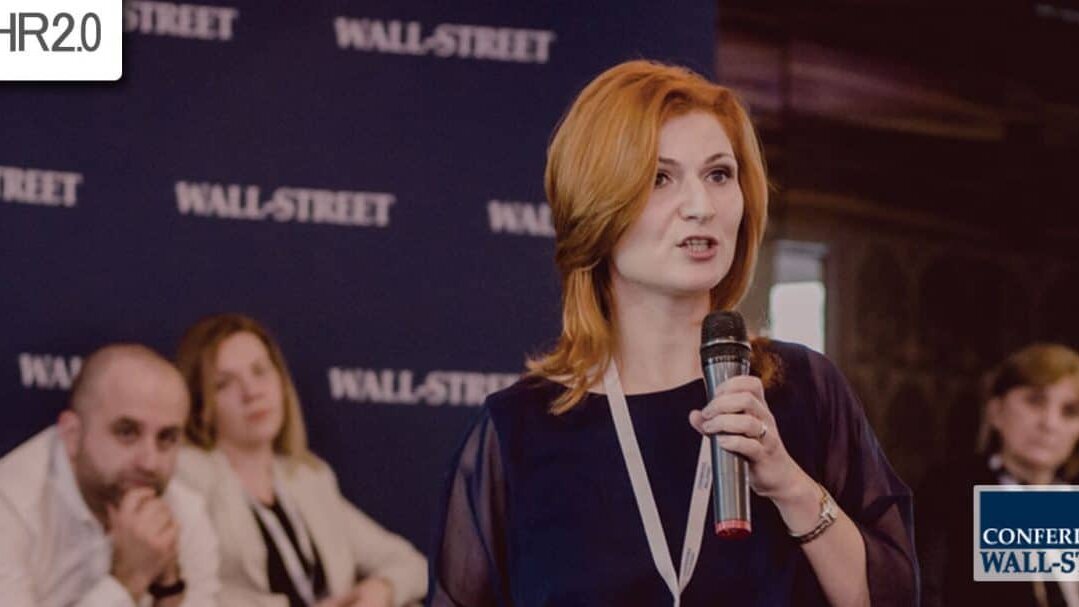


MKOR Consulting attended the HR 2.0 Conference, organized by Wall Street. Corina Cimpoca, founder of MKOR Consulting and senior strategy consultant, spoke about employee expectations, stability, and loyalty, using two studies conducted through MKOR Consulting’s expertise as a starting point.
This year’s edition of the HR 2.0 conference, the sixth to date, had the theme: The talent shortage, a heavy blow for employers. How to attract and retain people. The conference addressed the areas where employers face recruitment difficulties and proposed solutions to improve this situation.
Why this talent shortage?
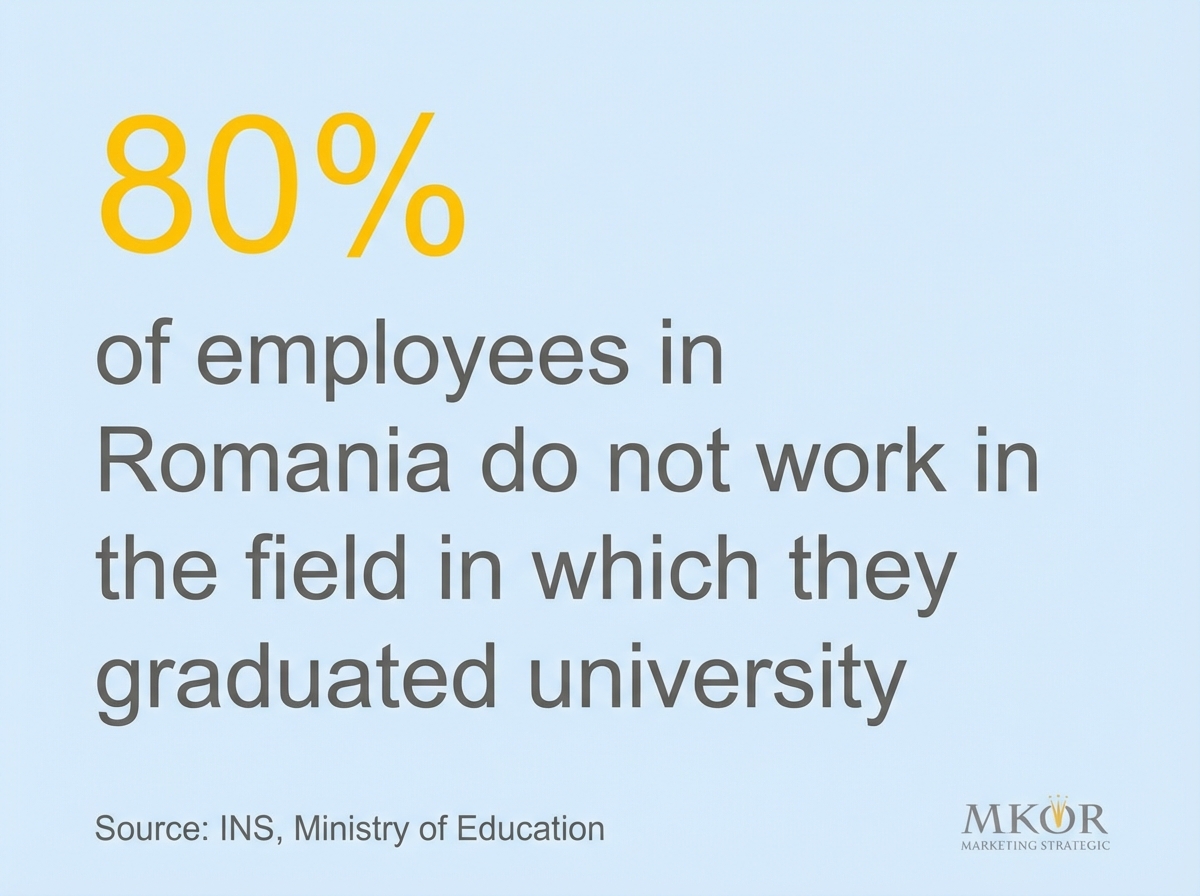
According to a study published by the NIS and the Ministry of Education, 80% of employees in Romania do not work in the field they were trained for, regardless of the career level we are referring to.
The main reason for this is a mismatch between labor market needs and the training offered by Romanian universities.
For example, in Romania, humanities specializations represent 54% of the educational offer, compared to the European average of 35%, while “engineering” studies represent 17% compared to the EU average of 12%.
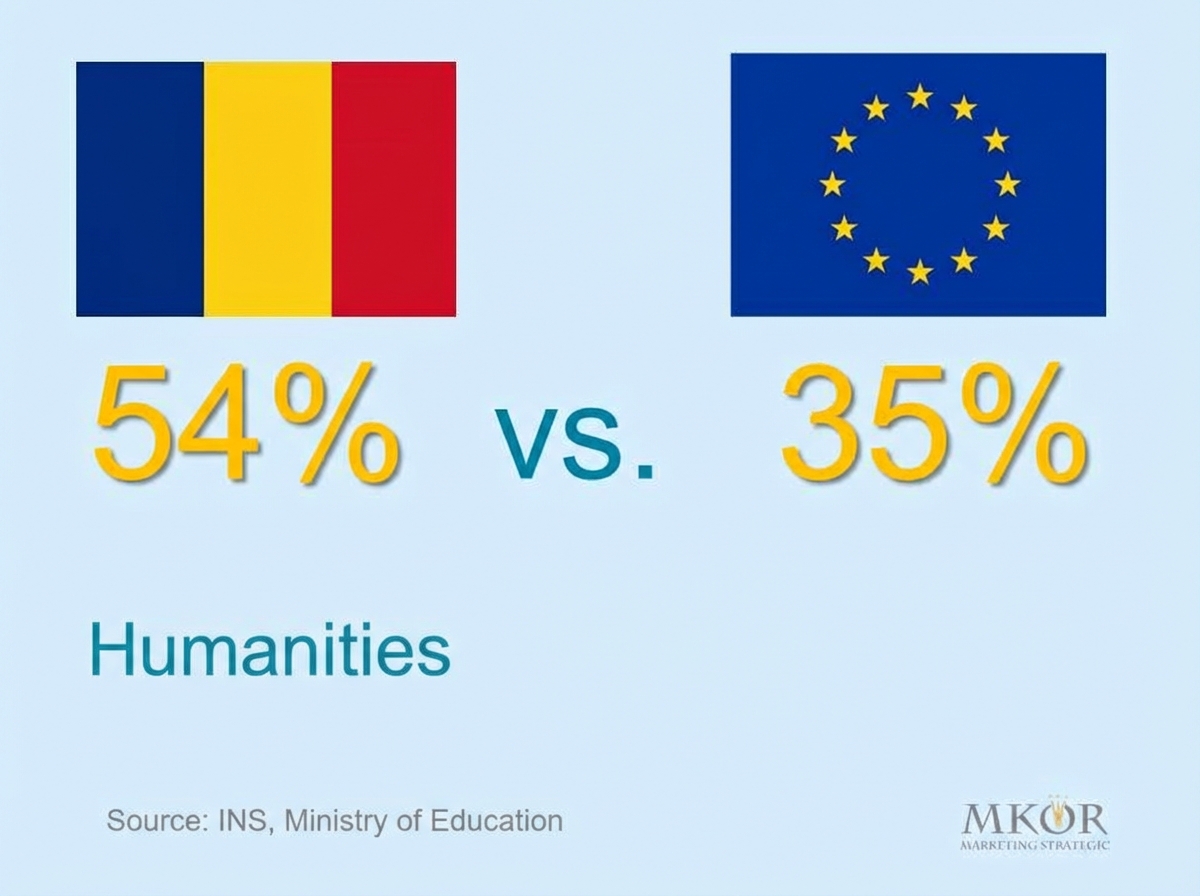
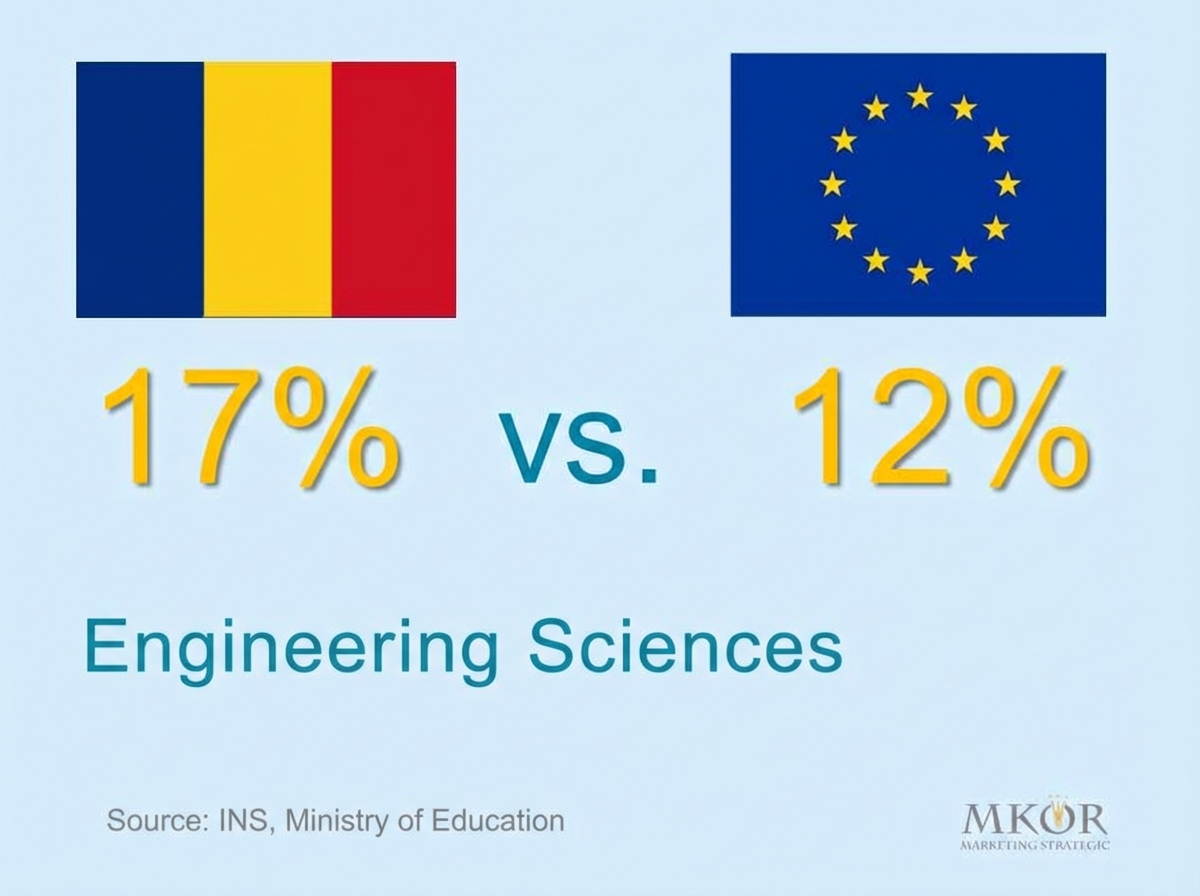
Such a high share of humanities specializations leads to an inflation of candidates prepared for positions other than those they were trained for.
Do the people we recruit join the company for a career or for a job between jobs?
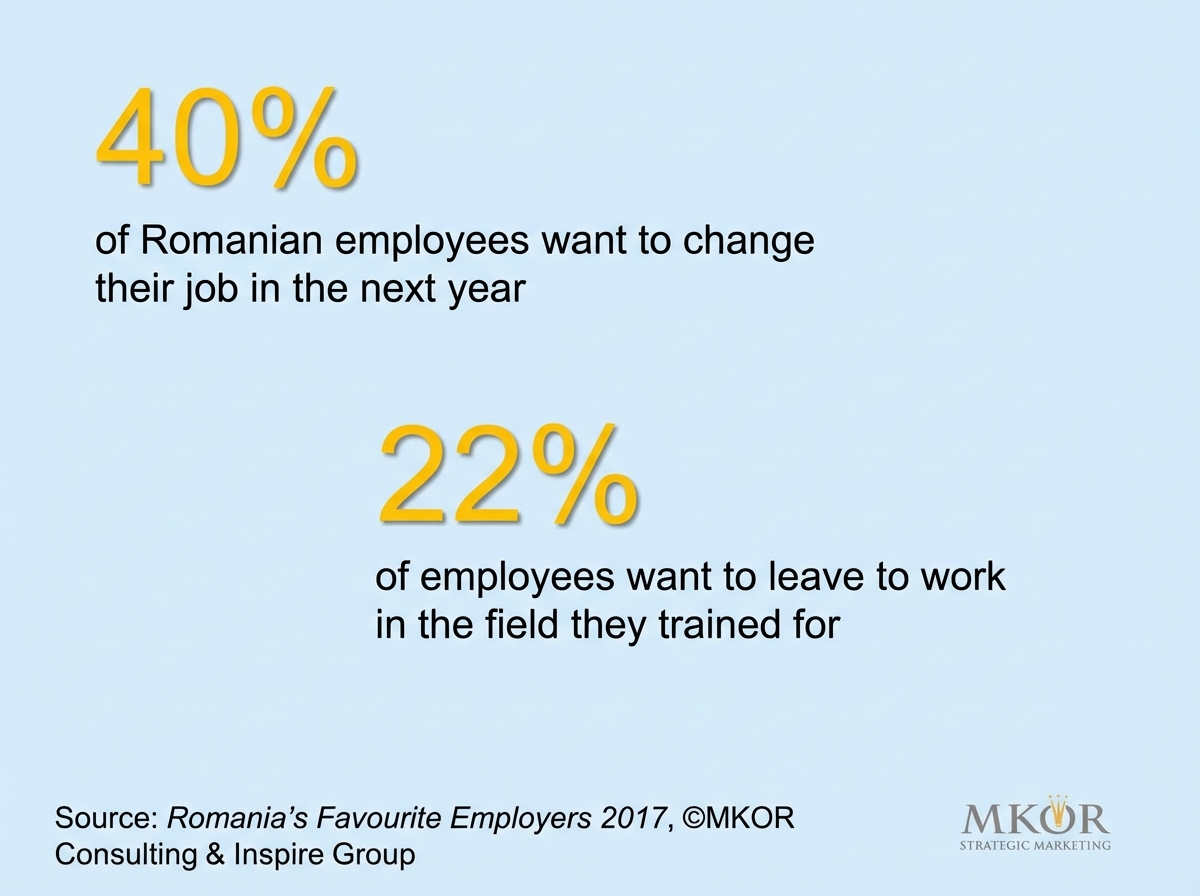
As shown in our study, it is no surprise that 40% of employees intend to change their job in the next year. And 38% do not know whether they want to leave or not, so it is possible that this indecision will turn into a resignation letter when the first opportunity arises.
Reasons for leaving vary, but 22% of them want a new job to work in the field they enjoy or were trained for.
The most frequently cited reason for leaving a current job is career progression. Thus, besides not working in the field they were trained for, employees also do not feel that their current positions offer enough opportunities for career growth.
In other words, they feel “stuck” in a position where they see no future, lacking the chance to advance or even work in the field they enjoy.
What benefits are appreciated among employees?
Taking into account what has already been mentioned, a lack of loyalty towards the company they currently work for is observed. So, what are the factors that influence the choice of a new job?
When talking about the criteria for choosing a new job, employees look rather at the work atmosphere and the company’s reliability. For them, it matters, first of all, to be treated fairly and for the contract to be respected. Secondly, they want to get along well with colleagues and superiors.
The balance between personal and professional life, as well as career advancement opportunities, are also very important for employees. Employees’ expectations from the beginning and their fulfillment will make the difference between those who will stay in the company and those who will leave at the first opportunity.
 Flexible scheduling is also at the top of the benefits appreciated by employees here, and many companies already offer this benefit.
This ranking is also confirmed by another study conducted by us, with the aim of finding out, in depth, what motivates employees: schedule flexibility and specialized courses are very important for half of the respondents.
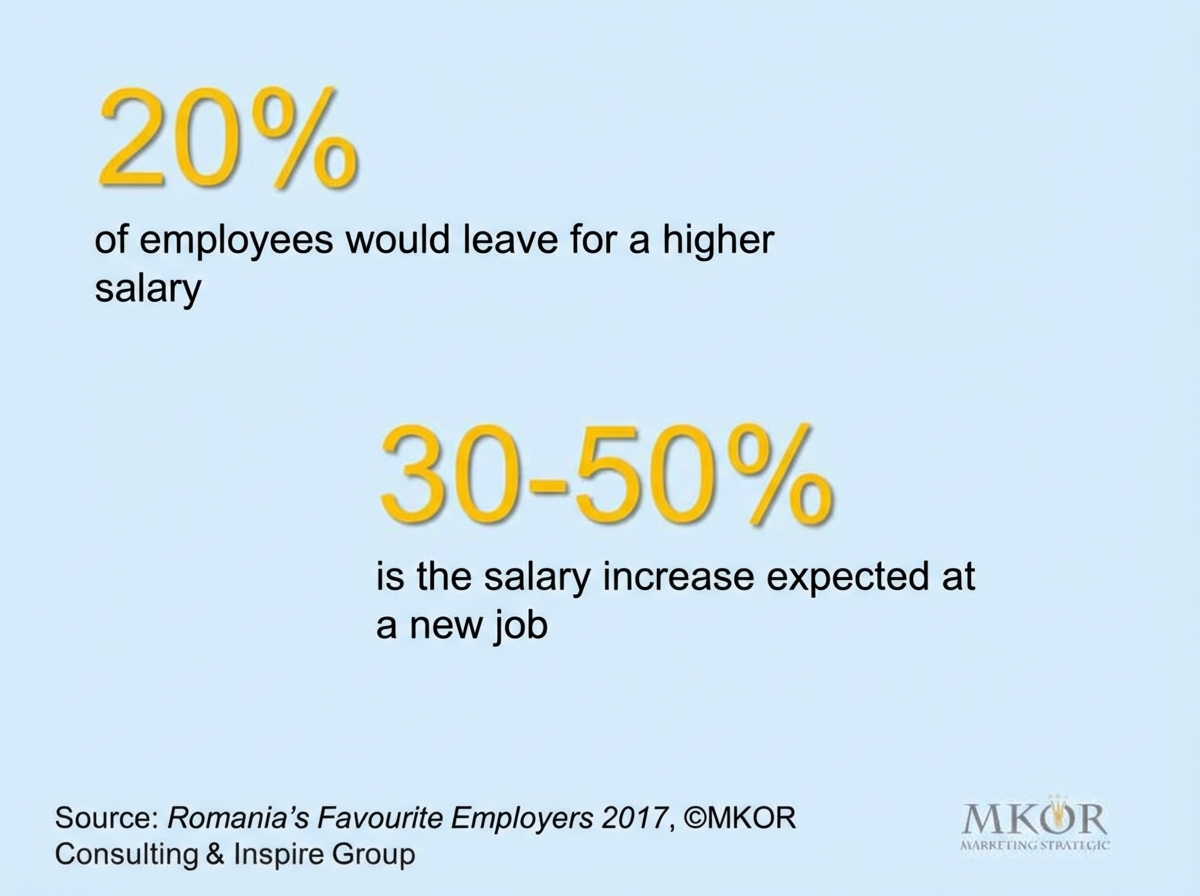
A higher salary is a reason why 1 in 5 respondents would leave their current job. More precisely, 57% of employees would leave their current job for a salary between 30% and 50% higher. By far, the most appreciated benefit at the workplace is performance bonuses.
What motivates the most stable employees to stay?
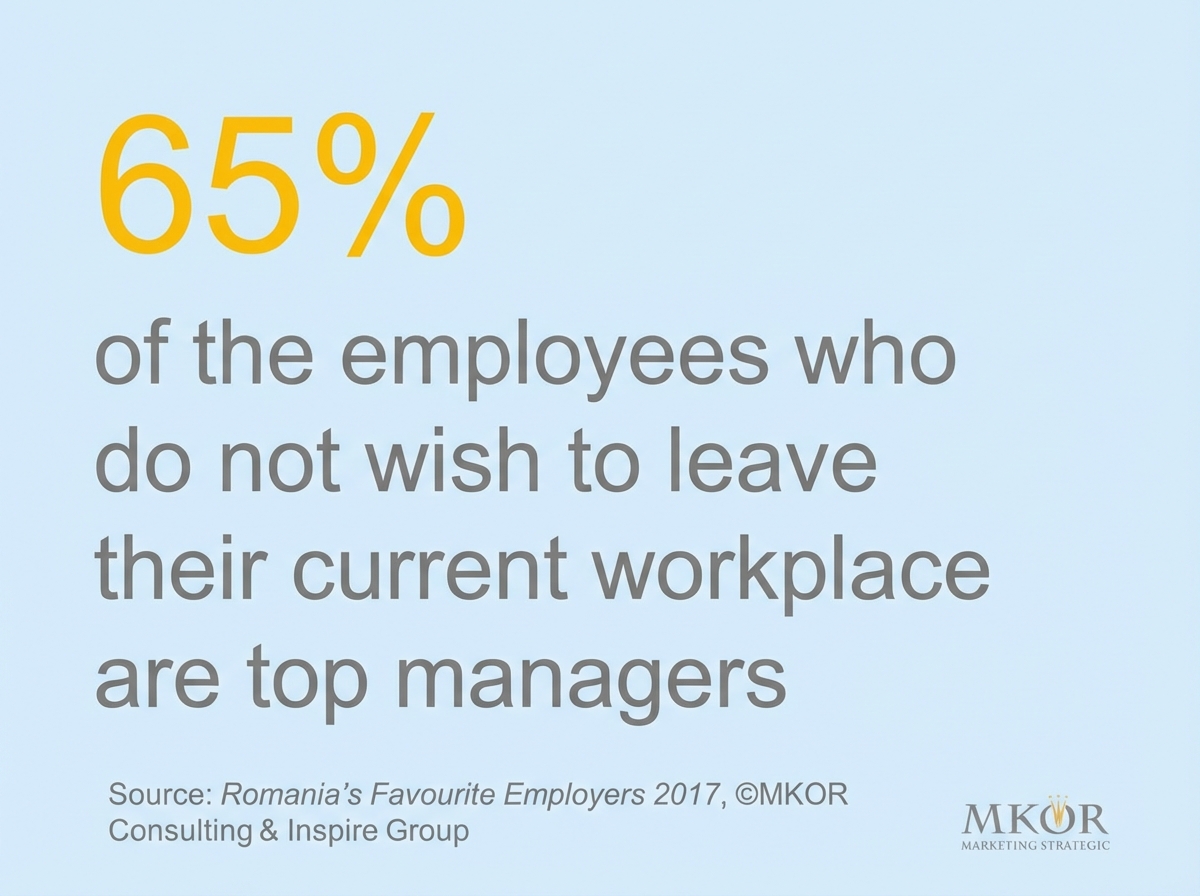
Loyalty appears especially at higher career levels; 65% of those who would not change their job are in key positions, such as directors or managers.
At the top of the appreciated benefits are also the courses and trainings offered by the company. This easily links to what I mentioned earlier: employees feel demotivated when they work in a field for which they do not feel prepared.
And when the company invests in preparing them for what they do, this has a double positive impact: on one hand, employees feel more confident, obtaining diplomas that attest to their new capabilities, and in addition, they feel motivated by the fact that the employer believes in them and thus offers them a vote of confidence and a possible long-term guarantee.
According to the study conducted by us, Why do you love your job?, employees in top positions are also the most loyal; 85% of them have changed their job only once or not at all in the last 5 years.
This denotes increased stability, especially among top managers. However, things change; as the number of years of experience decreases, entry-level and mid-level employees end up changing their jobs up to 5 times in 5 years.
What is to be done?
As managers, we can ensure the personal and professional development of each colleague, paying attention to their strengths and finding a balance in each person’s capabilities.
We can develop their skills through intelligently managed tasks that challenge them, through trainings and courses, or even through role changes, in the same department or in other departments.
Thus, even if the job is in a different field than the one initially desired by the candidate, they can become loyal and passionate about their work.
Consult your employees to see what works and what doesn’t!
Don’t waste energy on Employee Wellness initiatives that employees don’t consider beneficial or useful. Conduct employee satisfaction studies and get feedback!
If you don’t know how, we can certainly help you! Contact us and let’s talk over a coffee.
You can watch Corina’s full presentation here:
Cover photo: Ovidiu Udrescu