


The consumer decision-making process, especially in the tourism sector, has a high degree of unpredictability, given the multitude of destinations and diverse offers.
For marketers, unpredictability is significantly reduced with the help of figures and insights obtained through market research.
Travel Marketing
Travel Marketing is the intersection of the tourism industry and the field of marketing. This association can only bring benefits to travel brands and companies interested in increasing the number of bookings and satisfying as many customers as possible.
Information regarding customer habits is an important resource for designing sales strategies. It can simplify the path to meeting customer needs. For example, marketing specialists can answer specific questions:
- What are tourists’ habits when it comes to planning a vacation?
- What are the means of information regarding the destination and what are the primary criteria in choosing tourist offers?
- How can tourism brands meet the needs of travel consumers?
In the following, we will explore some of the behaviors that define and influence the tourism market.
The Impact of Digital Technology in Tourism
Tourism customers want a successful vacation and, therefore, plan their trips in detail. Access to information allows them to organize meticulously.
A travel brand that responds as quickly as possible to the direct needs of customers has an optimized process adapted to market requirements.
Micro-Moments or the Opportunity for Travel Marketing
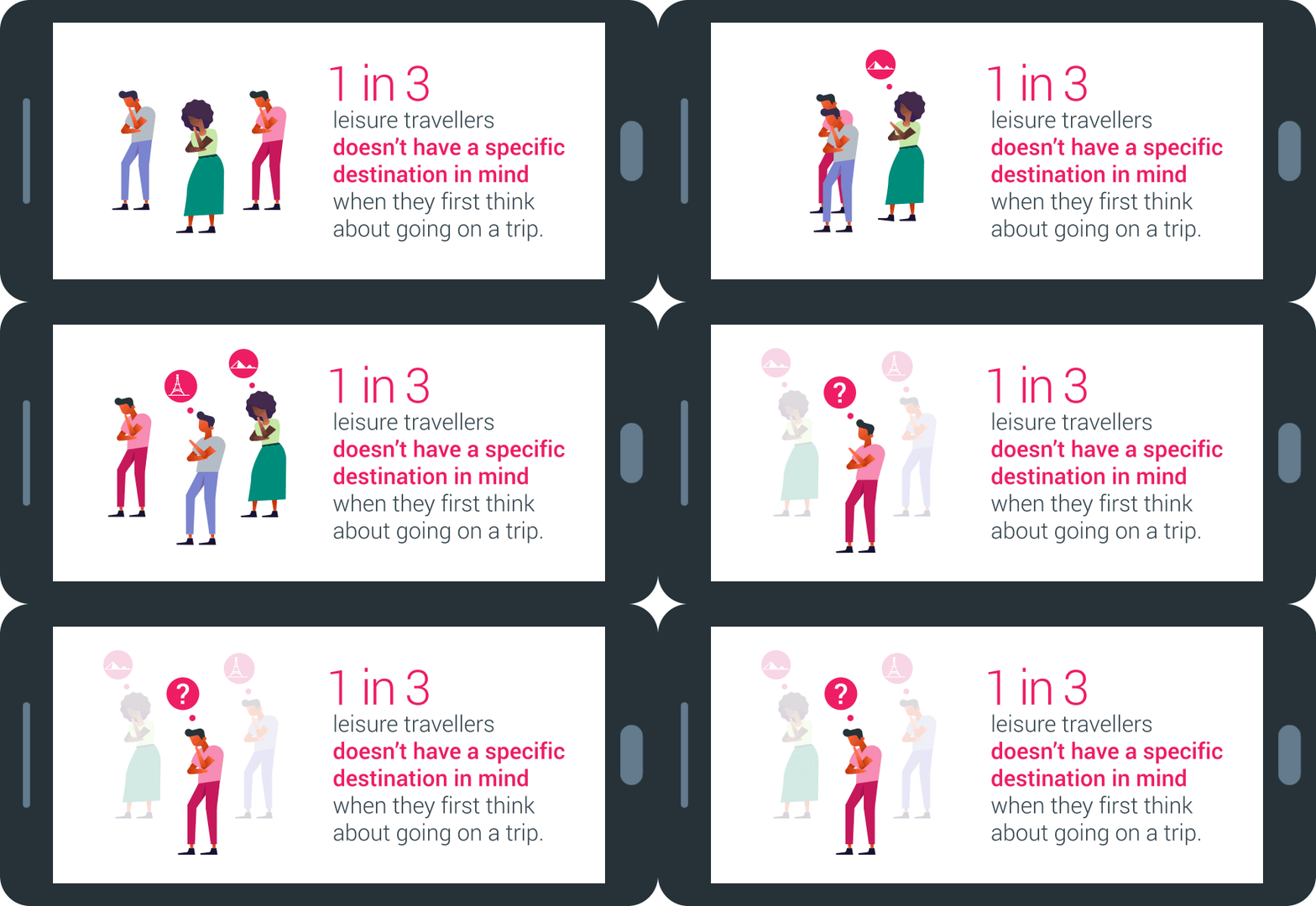
Buying decisions are emotional decisions, and as marketers, we must take this crucial aspect into account. Micro-moments are those moments when it crosses a user’s mind to go on vacation, and the next second they are already on the internet looking for destinations and accommodation offers.
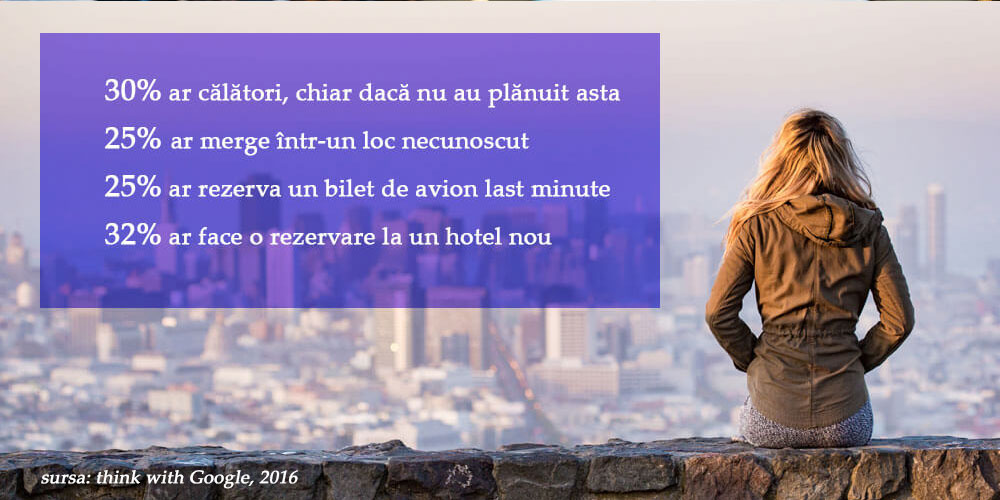
Brands can capitalize on these decision-making moments simply by being there, at the user’s fingertips. Most tourists go on one or two vacations a year, but spend quite a lot of time researching travel possibilities.
Travel companies can offer discounts to inspire the undecided to try new things and be spontaneous:
Smartphones – The New Tour Guides
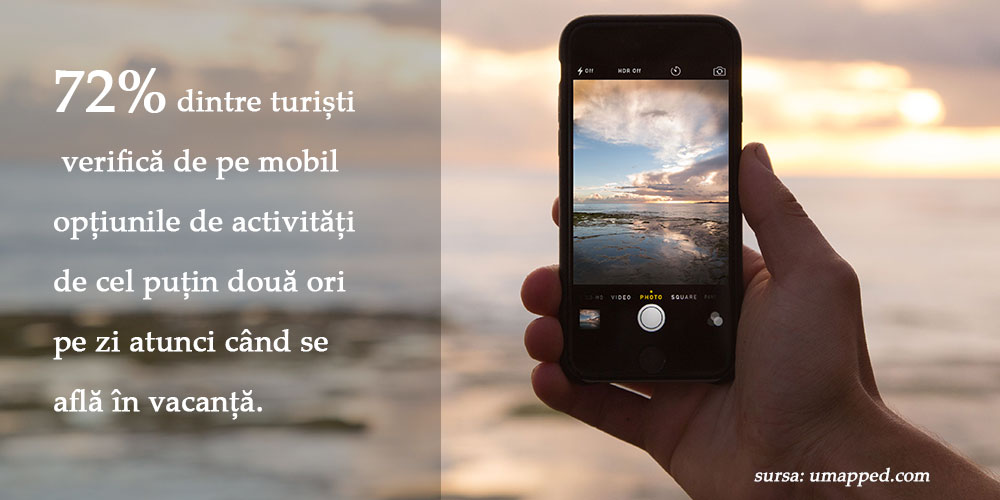
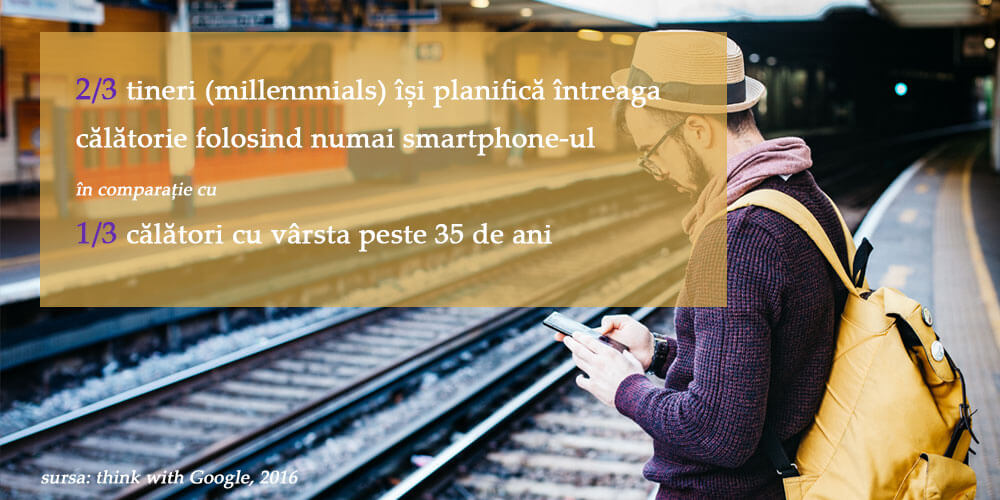
Over half of smartphone users turn to their screens the moment they think about a vacation. Most of them look for discounts and activities they can undertake before or during the trip.
Both mobile apps and websites accessed from mobile devices are used to find information regarding travel planning. However, the final purposes for which they are used differ. Mobile apps are preferred for managing boarding passes or for loyalty programs, while websites are accessed for information regarding various activities.
What can you do to improve the consumer journey?
A travel agent knows very well how important the trip purchased by the client is. In marketing, the consumer journey is just as important, which is nothing more than the process of interaction with the brand.
The easier this process is to navigate, the higher the chances of increasing the conversion rate. New technologies allow for a better understanding of customer needs through Big Data, making them easier to target.
Digital allows companies to go beyond demographic information and better understand the intentions of traveling customers. Whether they are watching a specific video clip, have performed a search, or are interacting with a certain type of internet content, these are activities that indicate a traveler’s potential to be converted into a customer.
Find out who the potential customers are
A millennial customer who spends generously once a year might not be as valuable as a business customer who spends less per trip but returns constantly. Segment customers based on the value they bring, using data obtained from their interaction with the brand.
By learning about their online behaviors, you can adapt your digital strategy to increase the conversion rate.
Be there for your customers at the right time
For marketers, it is important that the right ad is delivered at the right time, but identifying the right moment often causes headaches.
Marketing specialists overcome this challenge by turning it into an opportunity. For example, a US hotel chain used RLSA (Remarketing Lists for Search Ads) to target website users. Specifically, they returned to every customer who left the search or booking process. Through a follow-up process, they provided customer assistance and created personalized offers, which led to increased sales.
Optimize the entire consumer journey
Watch the reverse movie of your users’ journey and see what worked and what didn’t. Why do some of them turn into customers in just a few clicks, while others get lost along the way? Follow their path and relive their experience.
Digital marketing allows you to do this by analyzing consumer data. Opportunities can sometimes be built.
There are many tools that can offer real help in this regard. For example, hotjar is a tool that optimizes businesses, turning online visitors into customers. In short, it helps you track how users interact with the company’s website and collect their feedback.
Travel into the world of marketing with MKOR
As marketing specialists, we know the means by which we can be alongside customers on their journey. Optimizing the user journey is one of the aspects that can make a difference in your business.
We invite you to read the market study regarding the 2017 summer vacation and if you find the information relevant, we look forward to welcoming you for a coffee to discuss more!
Have you read everything? Comment / join our newsletter / read our other research posts!