

The fake news phenomenon has always been a problem for mass information sources, especially in the online environment. However, with the onset of the COVID-19 global pandemic, it has reached unprecedented proportions.
Therefore, we decided to address the topic of fake news during the COVID-19 pandemic and detail the most widespread misinformation regarding the virus, treatments, and vaccines. Based on these aspects, we aim to highlight the harmful effects this phenomenon has on society and beyond.
Furthermore, the second objective of this article is to identify the most effective ways to recognize and stop the spread of misinformation.
What is fake news?
Broadly speaking, fake news refers to false information (wholly or partially) published and promoted as being true. Although the term used to identify this phenomenon appeared relatively recently, erroneous information has always been spread in society, with the most well-known examples being those of propaganda.
While in the past totalitarian regimes practiced propaganda through the control of traditional media (newspapers, radio, TV), today technology has reversed the roles. Thus, the individual has been placed in the position of creating, distributing, and promoting information (including false information).
This can be viewed from two completely different perspectives:
- modern technology has decentralized media power and provided the opportunity for every individual to publicly express their opinion alongside like-minded people
- the greater the access to information, the harder it is to distinguish between true information supported by scientific arguments and information without a real foundation
Thus, for a large part of the world’s population, it is difficult to sift through this immense wave of data they encounter daily to choose only what is true. More often than not, even unintentionally, people share false information, thereby helping to propagate fake news.
How the first modern pandemic accelerated the fake news phenomenon
The first modern pandemic created a wave of global uncertainty due to a combination of factors:
- the lack of concrete information regarding the virus at the outbreak of the pandemic
- the duration of scientific research in this regard
- contradictory statements by state leaders or even WHO representatives
These factors not only created panic among the population but also unintentionally opened the door to fake news.
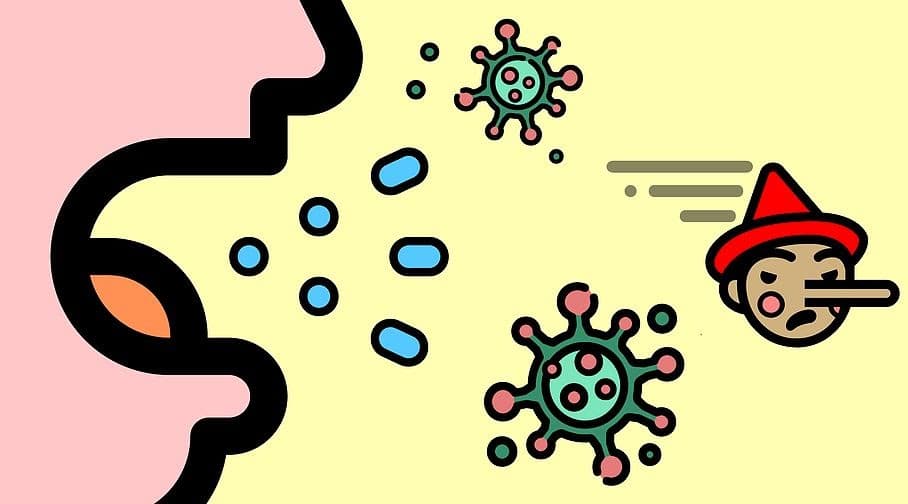
As a result, by the time scientific information became available, there was already a lot of misinformation regarding the COVID-19 pandemic.
People wanted to know how the COVID-19 situation was evolving globally, how they could protect themselves and prevent the spread of the virus, what the associated symptoms were, but also what treatments were available.
Since scientific research needs time to validate data, erroneous information crossed the boundaries of the needs generated by the pandemic. In this way, it reached the realm of conspiracies and misinformation.
Social media: a tool at anyone’s fingertips for spreading false news
Today, the main source of information is social media channels. In 2020, over 3.6 billion people were actively using social media, according to Statista.com. Thus, the probability of a fake news story appearing and propagating through *Like*, *Comment*, and *Share* options is considerable.
Social media channels have therefore created the right environment for the spread of false information, becoming double-edged swords:
- On one hand, new technologies allow for quick connection with loved ones, wherever they may be in the world, and easy access to information.
- On the other hand, social media can become a favorable environment for the viralization of false news, making it difficult for users to filter true information from the false.
Under the cover of fake profiles, backed by ghost websites and invented specialists, bots, or even real people paid to intentionally distribute erroneous information, fake news has spread rapidly.
The lack of time and availability of users to verify sources, as well as the precarious education of some of them, have amplified the phenomenon.
And while a small part of the total fake news can be a subject of amusement, most false information can represent a real danger.
How? Through the simple fact that people put into practice the sometimes absurd recommendations they read. The best examples in this regard are the very false pieces of information that have circulated since the beginning of the pandemic both locally and globally.
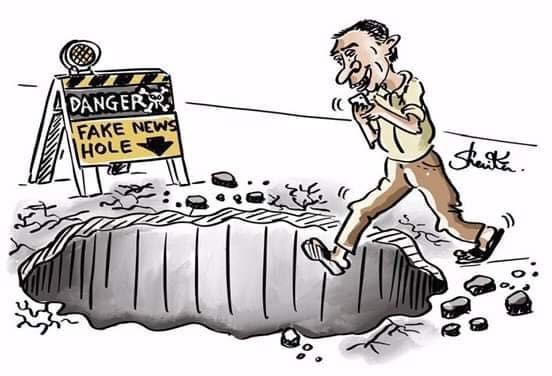
Fake news about the COVID-19 pandemic in 2021 at a European level
Although today we possess much more scientific information about the COVID-19 virus, fake news related to this subject are still present, keeping pace with the evolution of the global situation.
An EEAS report, updated between December 2020 – April 2021, revealed the most viral fake news surrounding the COVID-19 epidemic. The report showed that at the top of fake news from the last months are:
- discrediting prevention measures against the virus
- messages directed against minorities
- messages attempting to incriminate certain players for the emergence and spread of COVID-19
Thus, with the advancement of scientific discoveries to combat COVID-19, disinformation regarding the alleged side effects of various types of vaccines has begun to circulate online.
In France, several influencers received in May of this year “an email from a communication agency that appeared to be from the UK, which proposed a ‘partnership’ from a client with ‘a huge budget’, but who wanted to remain anonymous and also keep the agreement secret”, reports Digi 24. This partnership consisted of denigrating the Pfizer vaccine.
Fake news about the COVID-19 pandemic in 2021 in Romania
Locally, disinformation has emerged claiming that several European states have stopped vaccination or that members of state institutions are protesting against vaccination. These were debunked on the RoVaccinare platform.
Because fake news has kept pace with the evolution of the COVID-19 pandemic, the most current disinformation refers to the fact that vaccinated people are “dangerous”.
By August 3, 2021, over 1.15 billion people were fully vaccinated globally, of which over 4.87 million in Romania. However, there are still sources claiming that immunized people transmit various diseases, especially those immunized with the Pfizer serum. Scientific research has not yet provided evidence in this regard.
What is even more serious is that various opinion leaders in Romania, such as representatives of the Romanian Orthodox Church, have initiated erroneous information, bordering on the fantastic, regarding the effects of anti-coronavirus vaccines.
An example is the statement of the abbot of a monastery in Neamț who told parishioners that “administering the serum will favor the appearance of scales on the human body.”
Fortunately, there are today various ways to verify the veracity of information coming from online and offline environments.
Regarding fake news related to COVID-19, we have at our disposal scientific studies that can answer our questions.
Also, it is important not only to be correctly informed at an individual level, but also to protect those around us from the effects of fake news.
We can do this by:
- providing correct and reasoned information
- by indicating ways they can verify the veracity of news using reliable sources
The evolution of the fake news phenomenon during the COVID-19 pandemic
The media can influence what information reaches the public, either through the selection of transmitted information or by omitting certain aspects, thus opening the door to potential manipulation.
And any disinformation can affect individual behavior as people seek to make sense of current events.
Thus, fake news regarding the global epidemic comes as confirmation for some, while for others it intrigues and has the potential to create chaos and confusion in society.
In the magazine The Future 100, Wunderman Thompson talks about a new trend, that of fake news during COVID-19, mentioning how we are not only facing an epidemic, but also an “infodemic”.
According to the article, the main culprits in the spread of fake news are social media platforms.
Thus, the infodemic takes root and spreads globally due to the technology available to most people on the planet.
Even more worrying is that, possibly stimulated by the COVID-19 pandemic, the phenomenon of confusion between data and opinions has emerged, even though the latter do not, by definition, have a scientific basis.
All these aspects have generated a wave of misinformation regarding the aspects of the COVID-19 pandemic.
Below we have exemplified the most common, but also the most dangerous of these.
Disinformation during the COVID-19 pandemic in Romania
At the beginning of the COVID-19 pandemic, there were many fake news stories in Romania related to this phenomenon.
However, perhaps one of the most important concerned the very nature of the pandemic: the question “do you believe in COVID-19?”.
In an article by Moise Guran we see how this question has come to be similar to the one about belief in God.
The existence of the virus came to be questioned due to its immaterial nature or because its incidence among acquaintances was limited (or non-existent).
On the other hand, even people who believed in the existence of COVID-19 did not recognize the severity of the virus, considering official reports to be exaggerated.
This attitude can be explained by the fact that the last time we faced a pandemic was about 100 years ago (the Spanish flu). As such, people do not have as much knowledge regarding the gravity of the situation.
However, there is also a positive aspect: the information base of society as a whole is improving.
At the same time, the multitude of news regarding the pandemic (especially in the first months of the global spread of the virus) raised a series of suspicions regarding the involvement of authorities in spreading news that exaggerated the scale of the phenomenon.
In our country as well, the most popular global fake news circulated, such as:
- conspiracy theories related to why and how the virus appeared
- various miraculous treatments, but without medical foundation
The existence of the virus was contested through protests
In addition, as in other countries, Romanians who chose not to believe in the virus organized anti-covid protests in Victory Square, disregarding social distancing measures and endangering both their own lives and those of other participants.
The biggest problem created around disinformation is the danger of its propagation by those who believe in erroneous information, thus contributing to the spread of the infodemic.
Radio Romania International published an article detailing the dangers of fake news.
The article highlights that false news “can generate tensions, can make people, institutions, or social cohesion vulnerable.”
The argument continues at a political level, stating that “the goal is to generate changes in the collective mindset so that, by stimulating dissatisfaction, frustration, or hatred, a political result is achieved, for example, the emergence of anti-European, anti-Western parties, leading to a dramatic change in geopolitical and security paradigm.”
Just like globally, fake news has spread in our country mainly through social media networks.
In this regard, the following have been circulated in our country:
- vaccines using messenger RNA technology result in the spread of the virus by those vaccinated with these serums
- anti-coronavirus vaccines have even caused death
The most widespread misinformation during the COVID-19 pandemic worldwide
- In Turkey, according to false news, consuming pure alcohol was a treatment for COVID-19. The hidden danger here is the choice of citizens to experiment with dangerous “treatments”.
- In China, it was suggested that the virus was brought by US military personnel to Wuhan or that it could have originated in the USA.
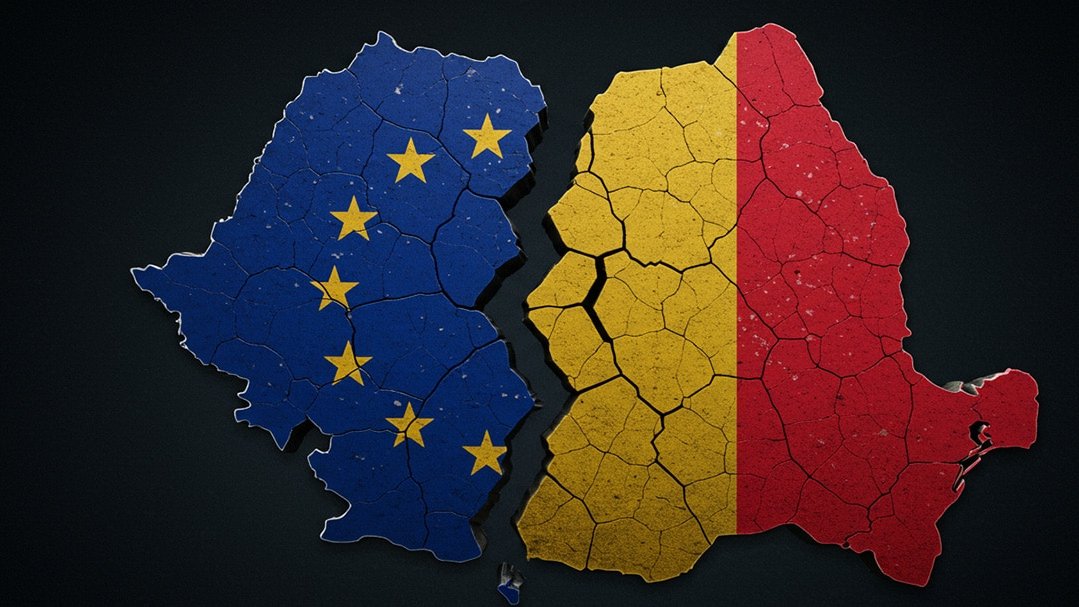
- At a political level, one of the most propagated fake news items is the collapse of the European Union due to the poor management of the coronavirus pandemic.
- Perhaps the best-known conspiracy about COVID-19, at least at the beginning of the epidemic, is that Bill Gates created the virus. His goal would have been to control the global population by administering microchips via vaccine.
A YouGov survey showed that 28% of Americans believed that Bill Gates wants to use vaccines to implant microchips in people. The percentage of those who adhered to this opinion reaches up to 44% in the case of Republicans.
The survey was conducted between May 20-22, 2020, on a sample of 1,640 people.
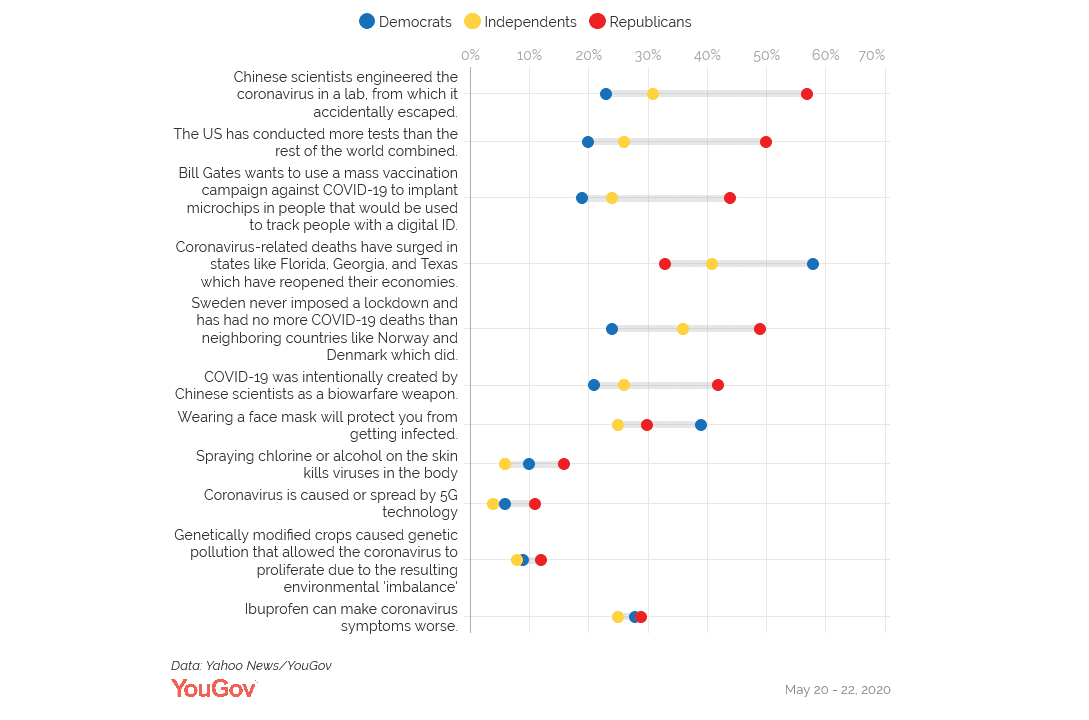
Studies related to misinformation during the COVID-19 pandemic
One of the first studies on fake news related to the COVID-19 pandemic focused on the visual analysis of 645 articles from Italy, Spain, Great Britain, France, and Germany, posted in March and April 2020. The analysis showed what the most common false news stories propagated at the beginning of the epidemic were.
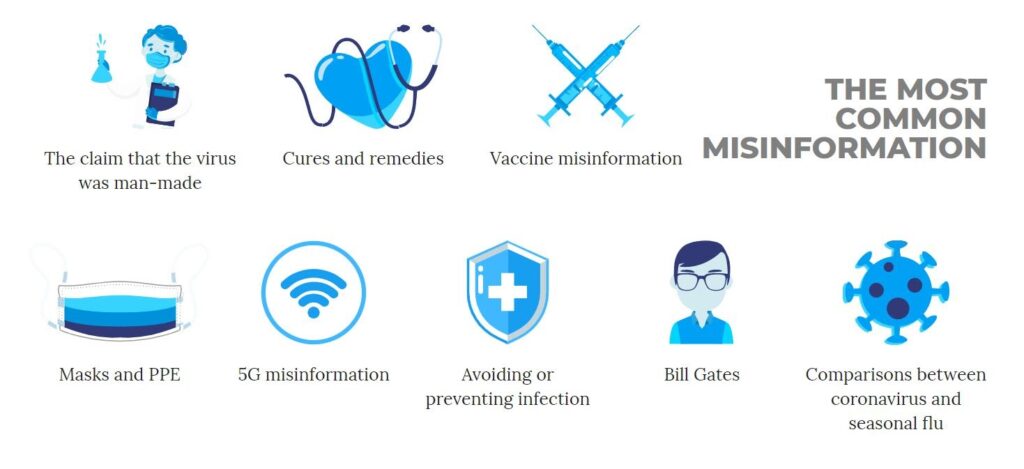
Thus, the most widespread false information concerned the nature of the virus, particularly circulating the idea that the virus was man-made or that Bill Gates created the virus (or at least knew of its existence beforehand).
Another piece of information that generated heated debates concerns the alleged link between the spread of COVID-19 and 5G mobile technology. Added to these are disinformations regarding the vaccine or various remedies, unconfirmed by the medical community.
The complete results of the research can be found here.
Also, a BMJ study showed that over a quarter of the most-watched YouTube videos about COVID-19 at the beginning of the pandemic contained misleading information, garnering millions of views from all over the world.
The analysis was conducted on March 21, 2020, using the top 75 most-watched videos on YouTube about the coronavirus.
A report conducted by the BOOM website from India shows us the most used sources for spreading fake news, and social media networks rank at the top.
The report shows that the most shared type of content is video (35%), followed by posts accompanied by pictures (29%) and text (29%).
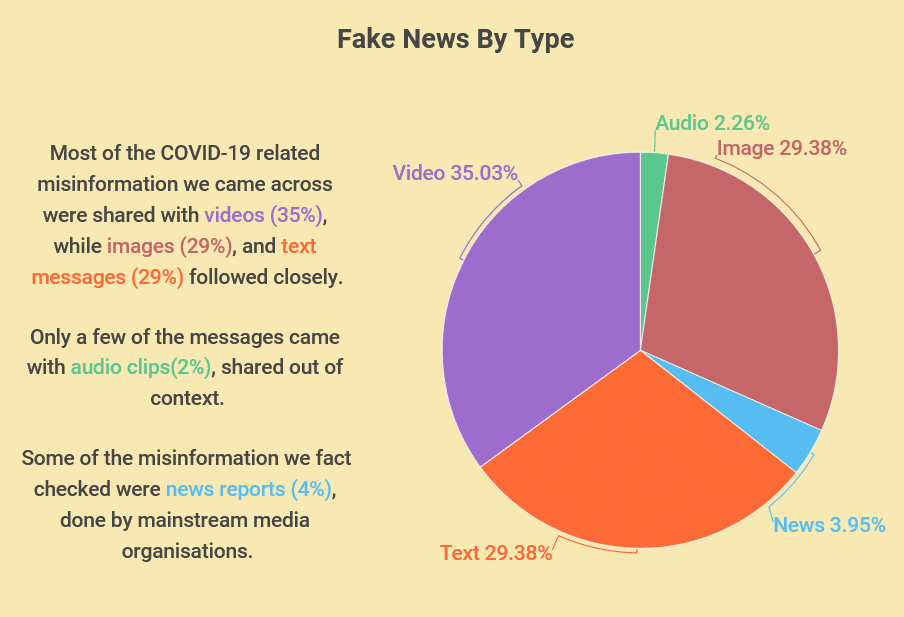
The analysis included 178 fact checks on coronavirus misinformation, from January to May 2020.
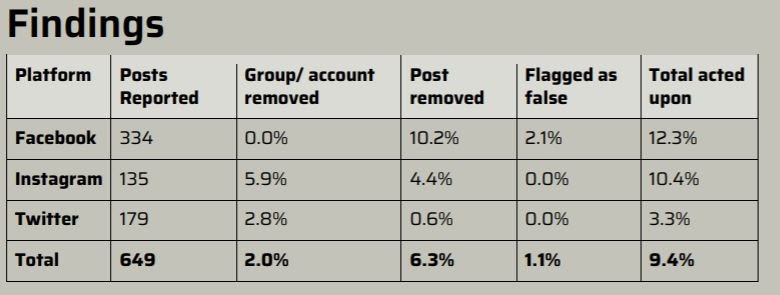
A CCDH report conducted in June 2020 showed that hundreds of social media posts (90% of the total) containing COVID-19 misinformation were left online, even though they had been reported.
Although Facebook, Instagram, and Twitter claim to be involved in removing misinformation from their platforms, they fail to take action in this regard, as this report concluded.
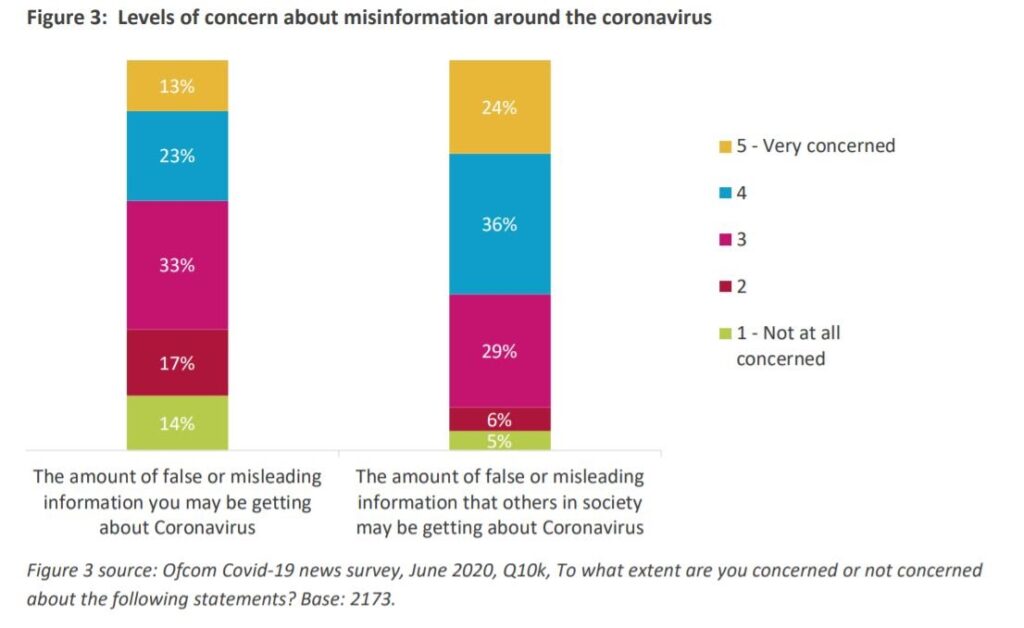
An Ofcom study, completed in June 2020, showed that people’s level of concern regarding the impact of the amount of fake news is higher for others than for themselves.
This reveals the fact that people recognize misinformation as a potential danger, but have greater confidence in their own ability not to be affected by fake news than in others.
And this time too, we observe that social media is the main source of disinformation. The results were obtained from a weekly online questionnaire, on a sample of 2000 respondents, between March 27 – June 28, 2020.
To combat the fake news phenomenon, the European Commission has entered into a voluntary partnership with online platforms, with the main social media channels and with players from the advertising industry.
The partners committed to taking measures against disinformation regarding the coronavirus pandemic.
Thus, the European Commission has published a series of reports in which it analyzed the actions taken against fake news by companies such as Google, Facebook, TikTok or Microsoft.
Local studies on the scale of the fake news phenomenon
In Romania, the fake news situation was analyzed in the report COVID-19 Infodemic in Romania: an analysis of disinformation in the digital space, published in October 2020 by antifake.ro and the Eurocomunicare Association.
This report concluded that the wave of fake news in our country was connected with the one present at a global level.
Thus, the main false information related to the coronavirus pandemic that circulated in Romania were:
- those related to the emergence of the virus
- those related to the introduction of mandatory vaccination
- those related to using the pretext of vaccination for microchipping the population
- those related to the “medical dictatorship” COVID-19
The danger of disinformation
A significant danger is represented by fake news transmitted by opinion leaders, influencers or other people with a significant number of followers.
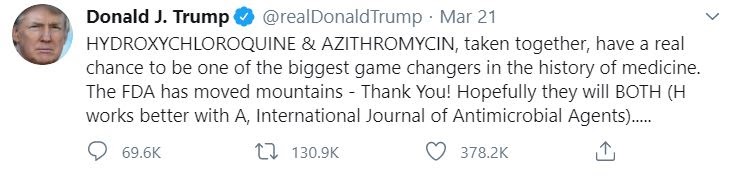
In this sense, a well-known case from the U.S. is that of a couple from Arizona who consumed aquarium disinfectant containing a chloroquine compound. This compound was intensely promoted by the former U.S. President, Donald Trump, as being a possible cure in treating COVID-19.
Following consumption, the man died. Subsequent to this event, the deceased man’s wife advised people to proceed according to the doctor’s recommendations: “… call your doctor.”
A BBC team has tracked the link between the COVID-19 infodemic and various deaths and attacks around the world.
In addition to the Donald Trump case, they found that in Iran several hundred people died from alcohol poisoning, following viral rumors that it had curative effects.
Another danger to the population and mobile phone infrastructure was represented by the 5G conspiracy. Because of this false news, over 70 mobile phone masts were vandalized in the UK.
A relevant example of the dangers to which disinformation subjects the population is that of Muslim communities in India.
Minority communities in India have suffered greatly as a result of disinformation, which has created religious tensions.
After several members of an Indian Islamic group tested positive for the new coronavirus, fake news about people of Islamic religion began to appear.
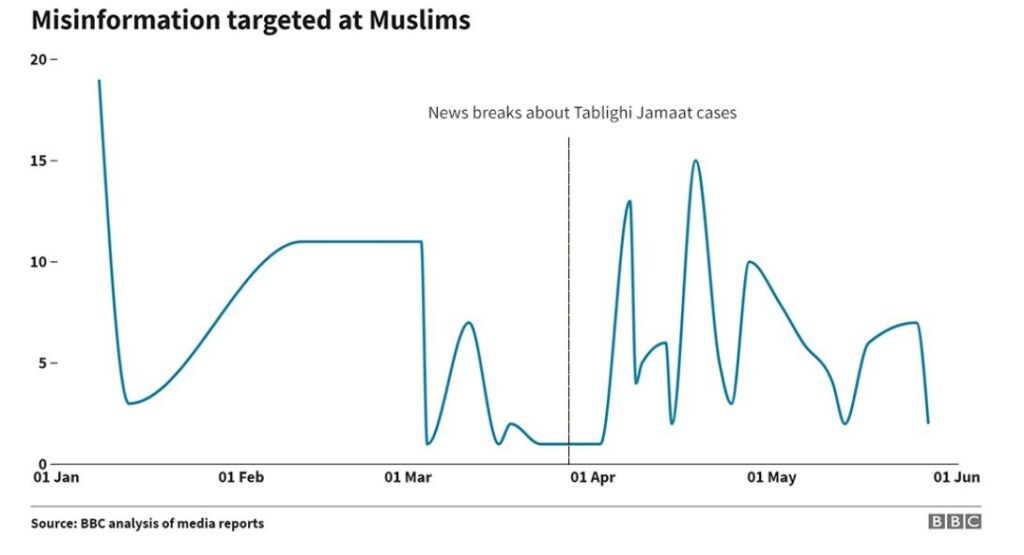
The rumors sparked attacks against Muslims in the country and boycotts of Muslim businesses.
In the other corner of the world, in Brazil, protests were organized against social distancing rules, and people organized parties and refused to wear masks, according to the BBC.
How can we stop disinformation and reduce the dangers of fake news?
The mentioned examples have shown us that the infodemic has spread massively in the world, endangering the lives of people everywhere.
And this spread has occurred especially through social media platforms. Thus, it is absolutely necessary to know how we can stop this destructive phenomenon:
- by eliminating news of this kind
- by learning the ways in which we recognize them
- by promoting reliable sources
In this regard, both public and private organizations have begun to take concrete measures.
Efforts of public organizations against fake news
The European Commission has invested 11 million euros for the establishment of information verification centers – the European Digital Media Observatory (EDMO) hubs.
These centers aim to combat disinformation by analyzing fake news campaigns and their impact on society, as well as supporting local authorities and the media by producing content to combat disinformation.
The 8 hubs were established in Ireland, Belgium, Czech Republic, Denmark, Finland, France, Italy, Luxembourg, the Netherlands, Poland, Slovakia, Spain, Sweden, and Norway.
Also, the World Health Organization (WHO) has developed an infodemic management system through which it aims, together with its partners, to analyze and reduce the impact of disinformation in the context of the COVID-19 pandemic.
Together with the United Nations (UN), the WHO has entered into a partnership with 132 states from around the world that commit to fighting disinformation through specific tactics.
Through the partnership with these states, the WHO has developed clear strategies for identifying and clarifying false information from the online environment with the help of AI and fact-checking tools, among others.
Private organizations’ efforts against fake news
Google removes disinformation about COVID-19 from YouTube, Google Maps, and the platform’s ads.
Twitter verifies accounts that are credible sources of information about COVID-19. Additionally, it monitors conversations to ensure that searches about the virus provide access to accurate and safe information.
TikTok has removed tens of thousands of video clips from the platform because they were spreading false information about the COVID-19 virus. Some of these contained false medical information.
And Facebook founder Mark Zuckerberg stated that he has removed several posts containing false information and that he will continue to do so.
The solutions and tools through which each of us can stop the spread of fake news
A study published in Sage Journals shows that people tend to share false information about COVID-19 on social media simply because they do not think about the accuracy of the information, using their instinct more.
The study was divided into two stages. During the first stage, it was observed that the study participants had greater difficulty in distinguishing false information from true information.
Comparatively, they differentiated between false and true information 3 times better in the second stage of the study. The difference was made by the fact that in the latter case they were reminded to check the veracity of the information.
The study was conducted on a sample of 1,700 Americans recruited online and took place in March 2020.
Based on the findings of this study, each of us can distinguish between erroneous and false information by following a few simple steps:
- checking the source: who is the author and what is their expertise or experience in the field covered by the news.
- checking the place where the information was published: which website / publication / platform, in what context, at what time
- determining the nature of the information: is it based on a fact or is it simply a personal opinion
Available tools for verifying online information
For those who want to verify the information they encounter, there are fact-checking websites. The first fact-checking site was established in Romania, factual.ro, where various public statements can be verified, and there is also a section dedicated to information about the coronavirus.
Also, the website antifake.ro is another effective tool that can be used to verify false information, whether we are talking about those related to the coronavirus or other topics.
At the European level, 6 start-ups (including factual.ro) are fighting against disinformation of any kind.
These allow for the verification of information from various fields, in an attempt to reduce the amount of fake news available online.
Another option for verifying online information is installing dedicated browser extensions, such as WeVerify.
At the international level, information can be verified with the help of CoronaVirusFacts Alliance, as well as with Google’s fact-check tool.
“Risk culture” and its role in managing crisis situations
In a dialogue with Ziare.com, Corneliu Bjola, professor of diplomatic studies at Oxford University and director of the Oxford Digital Diplomacy Research Group, talks about the concept of “risk culture” and how citizens of European nations react in a crisis situation. For example:
- the Dutch rely on themselves more than on authorities in the event of a crisis
- Italians feel helpless and do not trust the authorities
- Germans rely on authorities to manage crises
Regarding the population of Romania, Corneliu Bjola is inclined to classify the risk culture as a fatalistic one, with low trust in authorities and in the possibility of achieving change at an individual level.
Thus, it is important that when an authority communicates in a crisis situation, such as that of the COVID-19 pandemic, to adapt messages according to this risk culture to effectively diminish disinformation.
However, there are also positive aspects related to this infodemic. One of the most important is that people become more aware of the danger generated by the fake news phenomenon and learn to better detect such news.
Stay informed about the latest trends
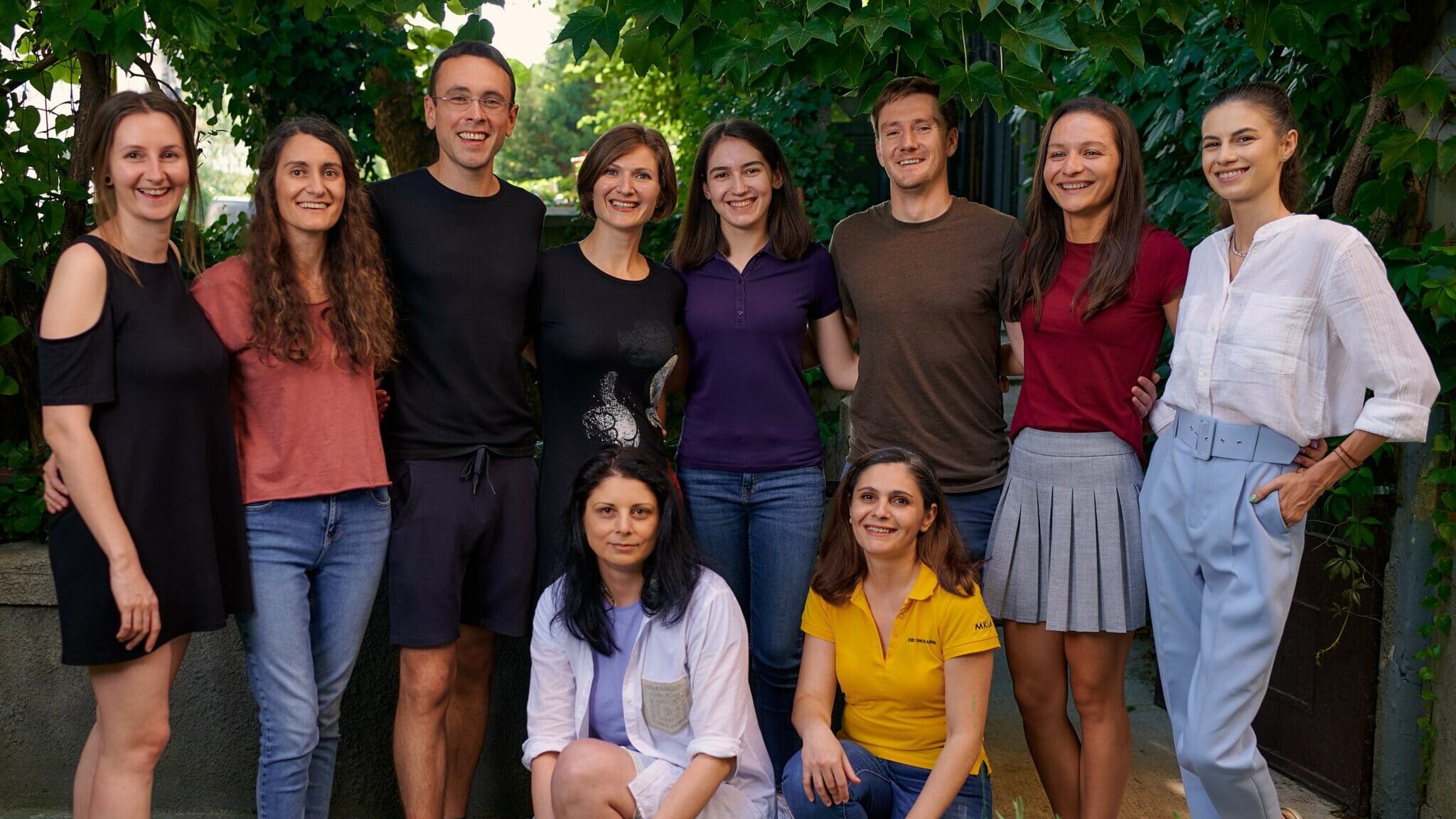
We, at MKOR Consulting, constantly publish our latest research, whether we conduct it independently or together with our partners. Thus, you get valuable market insights that help you informatively map out your business strategy. Subscribe to our newsletter and you will be among the first to keep up with the latest trends!