


In short
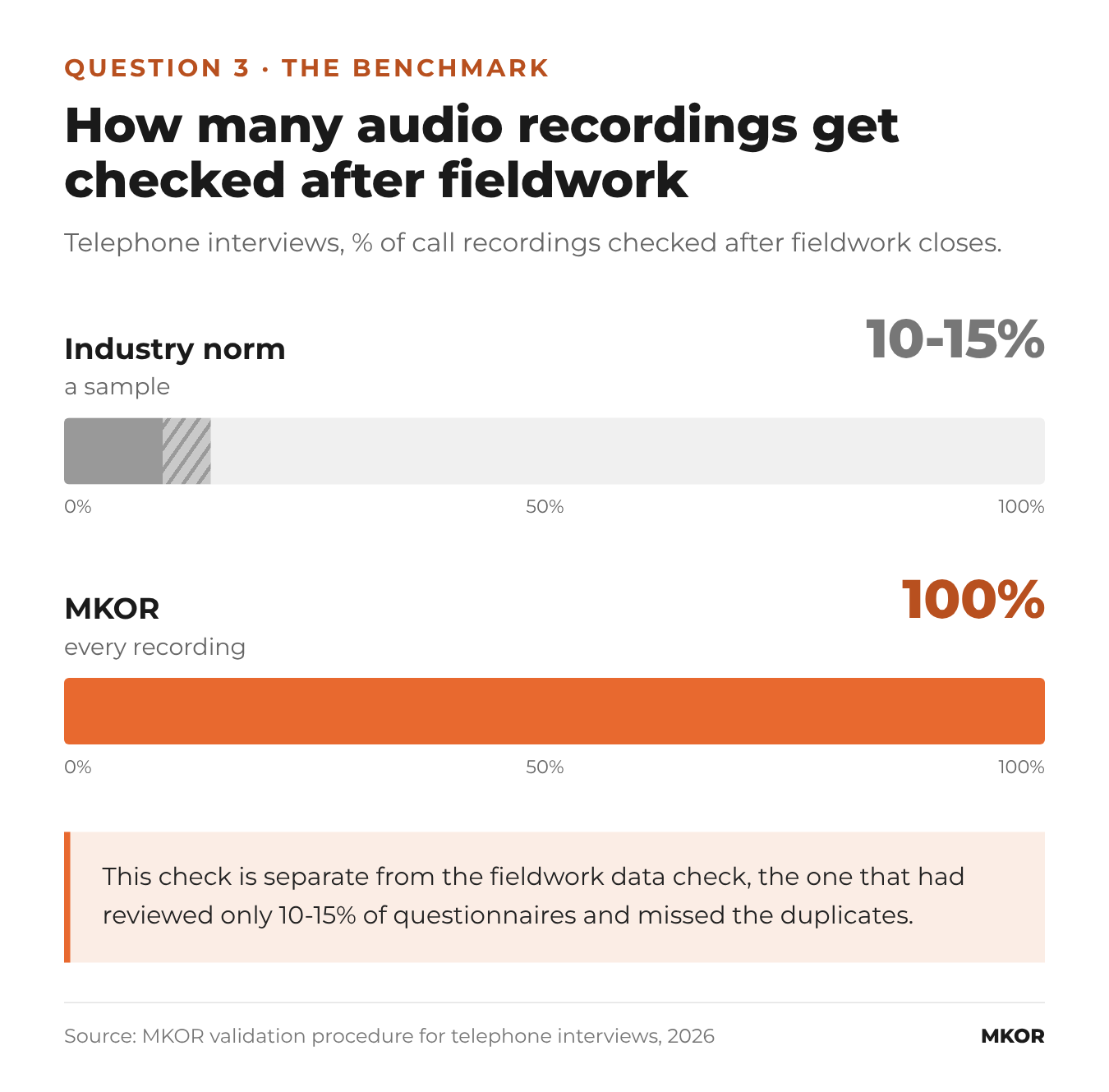
- For telephone interviews, MKOR checks every audio recording of the calls. The industry norm is a 10-15% sample.
- Evaluators from the Romanian Performance Excellence Program (RPEP) called our project and data control system a significant strength and a practice other organizations can take as a model.
- They also show where we still have work to do, from multi-year series to external benchmarks (questions 3 and 4).
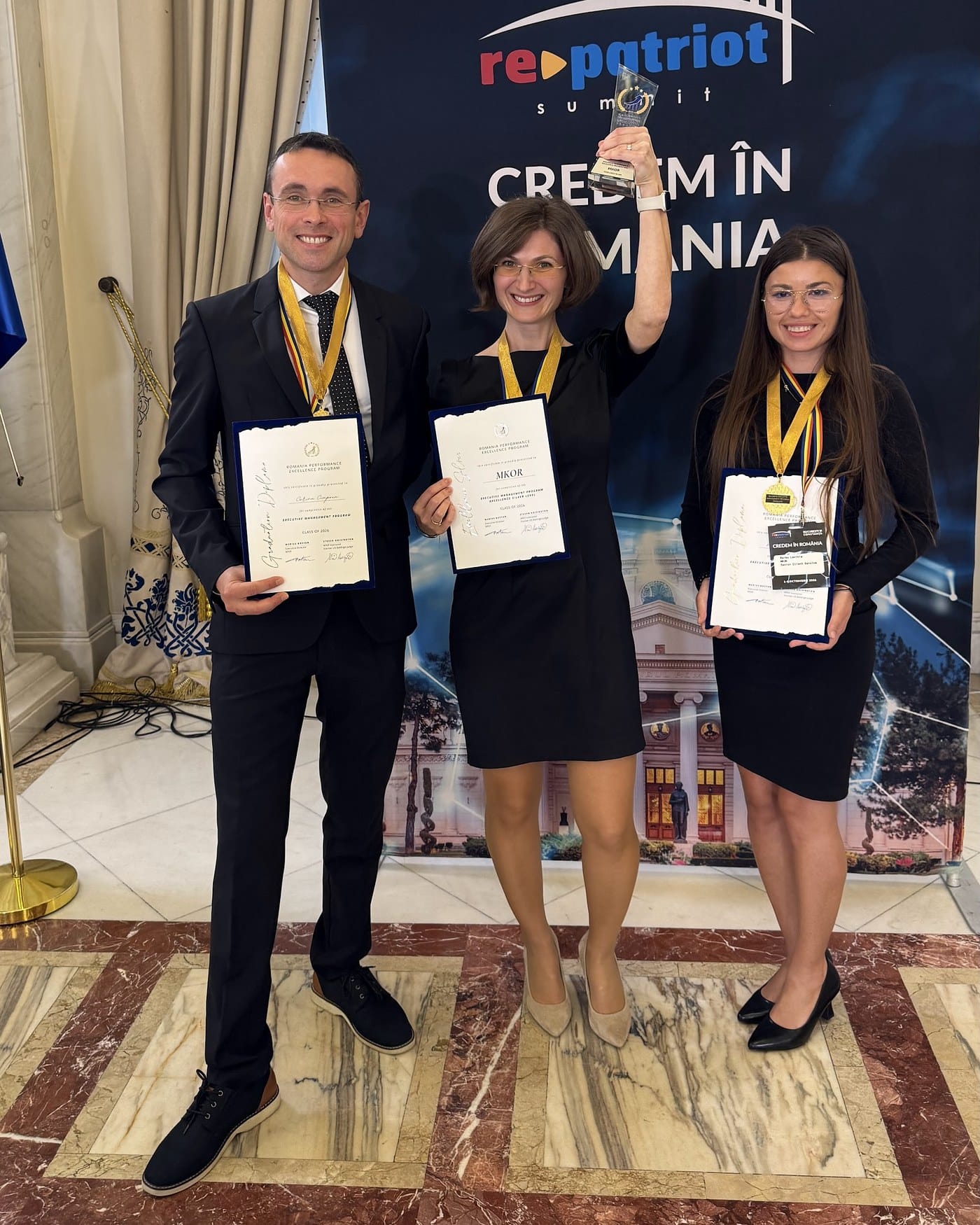
- On 1 October 2026, at Cotroceni Palace, MKOR received the Excellence Silver award in RPEP, a program built on the Baldrige criteria.
In one batch of telephone interviews, one of our project managers flagged duplicate respondents with impossible demographics. The manual check of fieldwork data had covered only 10-15% of the completed questionnaires, and the duplicates sat in the part nobody had checked.
Since then, the check has been partly automated, and a system with direct access to the survey platform scans the whole batch for suspicious patterns.
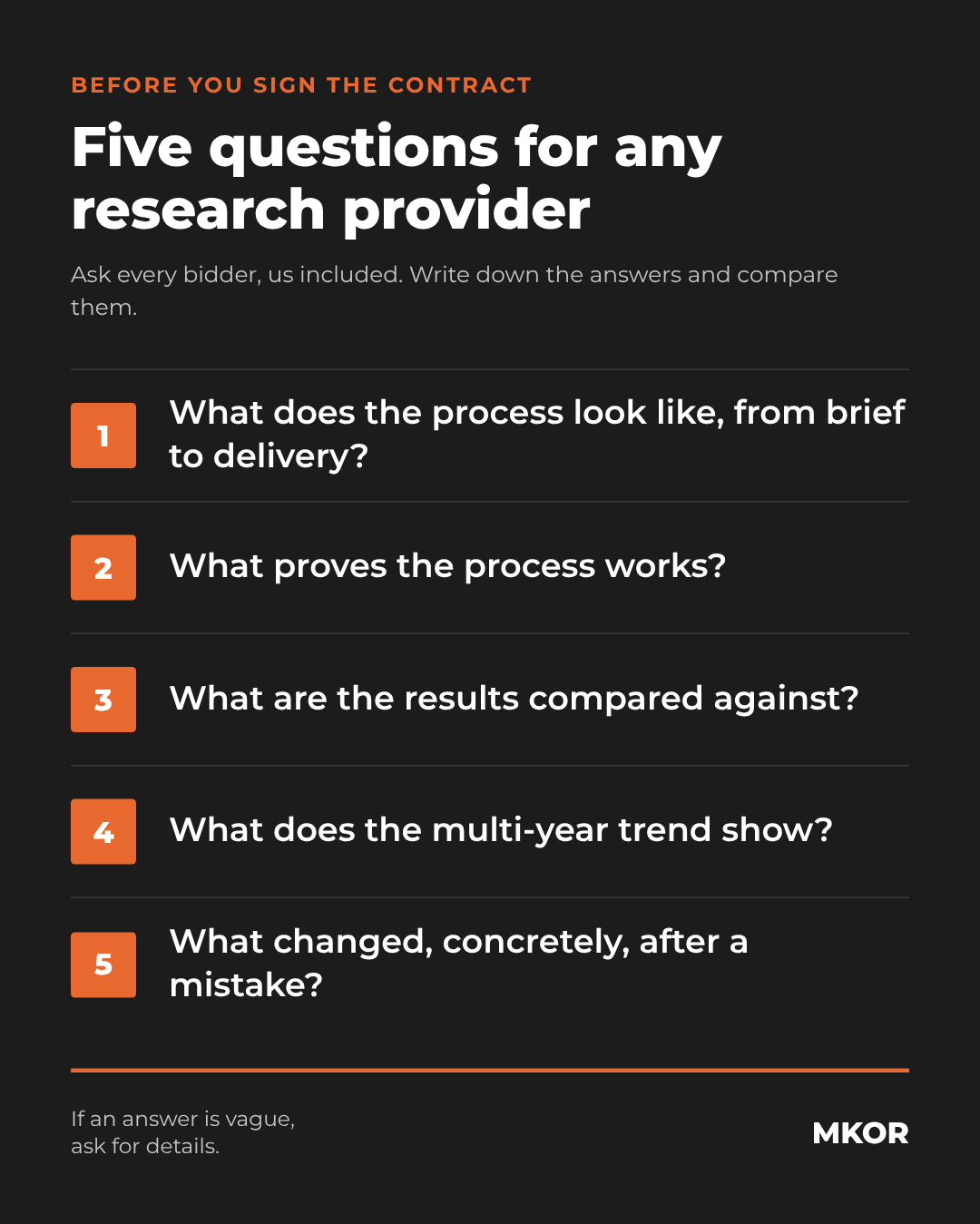
Almost every agency says it works rigorously, and their stories sound alike. To compare them, put the same questions to every bidder, us included.
Five questions for any bidder
We wrote these questions ourselves; they are not an official standard. Under each one is our answer. We have also added what the RPEP evaluators noted about us in their feedback report of 1 October 2026, including what they asked us to improve. Quotes from the report keep its original English wording.
1. What does the process look like, from brief to delivery?
A careful supplier can show you who does what at each stage of a project and who checks the work. If the answer stops at “we have experience”, push for detail.
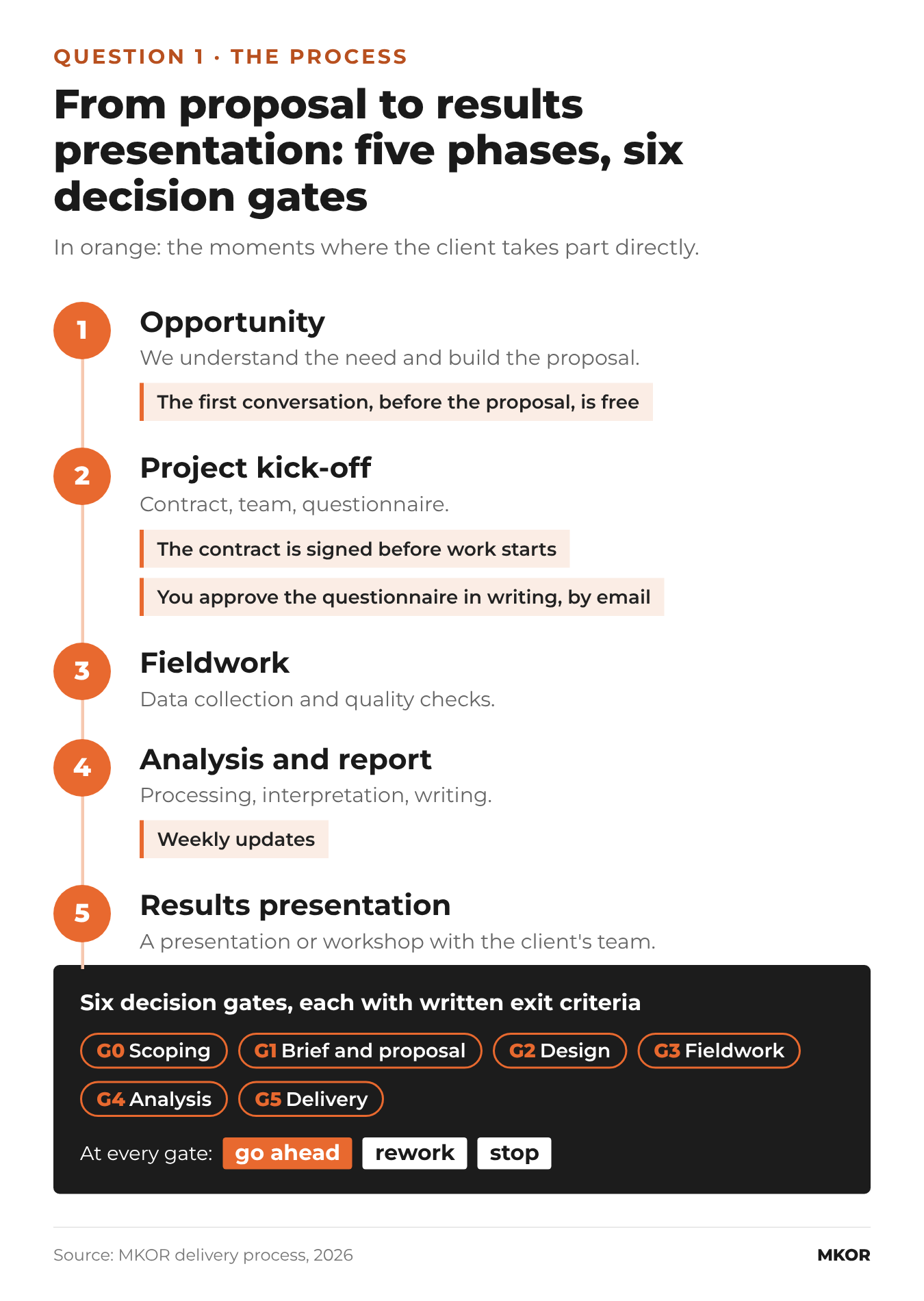
With us, every project goes through five phases, from proposal to the presentation of results. Along the way there are six decision gates. Each gate has written exit criteria, and that is where we decide whether to move on, redo the work or stop. We have also turned down projects where we couldn’t control the chain of fieldwork operators to our standard.
As a client, you take part directly in several stages. The first conversation with us, before the proposal, is free. The contract is signed before the project starts, and you approve the questionnaire in writing, by email, before fieldwork. During analysis and reporting you get weekly updates.
What the evaluators noted. The report names our four layers of control, the decision gates, the five project phases, the three-step deliverable check and the seven-step data validation. It calls them hallmarks that set us apart from other firms, and “a significant strength of the organization, and a best practice for others to emulate”. Among good practices, the evaluators also list our emphasis on written work procedures.
Where we still have work to do. Support processes such as billing, hiring or legal reviews are not described in our application. From our answers, the evaluators did not see them managed with the same rigor as project work.
2. What proves the process works?
Describing a process doesn’t show that it is followed on every project. Ask which document or verifiable figure proves it, then what gets checked in full and what only by sampling.
Quantitative data goes through seven checks with us, from sample structure to response consistency.
For telephone interviews, once fieldwork ends, we check every audio recording of the calls. The industry norm for this check is a sample of 10-15% of recordings. Checking recordings is different from checking the data, which is the check that missed the duplicates. For face-to-face interviews, interviewers send their location and time-stamped photos on arrival at and departure from each site. If an interviewer collects more than 10% invalid interviews in a wave, all of their questionnaires from that wave are cancelled automatically.
On working days, between 9:00 and 17:00, an automated check reviews the data every 30 minutes and only flags what doesn’t match. People on the team make the corrections. When the same problem keeps coming back with the same interviewer, the written rule says to stop collection and deal with the cause, rather than fix it row by row.
Deliverables, from questionnaire to report, go through three steps. The author checks their own work against a written list, and the colleague who takes it over checks its critical points. In the third step, the project manager spot-checks 10% of the deliverable. We are ISO 9001:2015 certified. You receive respondent data only in aggregated, anonymized form.
Where we still have work to do. The evaluators touched on exactly this issue. For some of the processes described in our application, the results that show they work are still missing.
3. What are the results compared against?
A single figure won’t tell you whether it is high or just ordinary. A published standard or an industry norm gives you a benchmark; an average calculated by the supplier itself tells you less. Ask who chose the benchmark. If the supplier did, ask to see an alternative too.
For audio recordings, we compare ourselves with the 10-15% sample commonly used in the industry, and we check all of them. If you like, we’ll show you the procedure we follow.
What the evaluators noted. On how we gather and use competitive and comparative data, the report says it is “very impressive for a small organization”.
Where we still have work to do. For workforce and operational indicators, external comparison sources are still being developed. We said so ourselves in the application. Some targets are set against our own results from previous years, and the evaluators recommend that we also compare ourselves with those who perform best in each area. Until we have these benchmarks, we won’t tell you we are above average on those indicators.
4. What does the multi-year series show?
If you’re shown a single year’s result, you can’t tell whether it repeats. Look at results broken down by year, with the number of responses in each, and ask whether the methodology changed in between. A percentage based on a few dozen responses moves a lot from one year to the next without anything having changed in reality.
What the evaluators noted. We have indicators defined for five areas: customer satisfaction, workforce engagement, operations, finance and strategy. Each has an owner and a review cycle.
Where we still have work to do. Here the report is direct. Most results in our application cover one or two years, and some are consolidated over several years. With so few data points, the evaluators write, it is hard to demonstrate sustained performance. Until we have longer series, we won’t present a single year’s result to you as a trend. If you’re interested in a particular indicator, ask us how long we’ve been measuring it and on how many responses.
5. What actually changed after a mistake?
Ask the supplier to describe a change they made after spotting a problem, with the date and what was changed, rather than a general statement about continuous improvement.
Our example is the duplicates case, from 2025. After it, we partly automated the fieldwork check, and the system with direct access to the survey platform looks for anomalies across the whole batch.
When each project closes, every colleague who worked on it has to fill in a sheet with what they learned. Every four to six weeks we meet and discuss the lessons from our projects. The gaps we found while writing the RPEP application went into a list of 34 improvements, each with an owner and a target quarter. In July, in one of these sessions, the team arrived on its own at the same gaps we had written into the application, without looking at it.
What the evaluators noted. As an example of improvement over time, the report cites exactly the change in fraud control that started with the duplicates case. The evaluators also write that we used the criteria to assess ourselves and find what to improve, independent of the RPEP assessment. They also cautioned us to make only the changes that bring real benefit to the company and to postpone the rest.
Write down each bidder’s answers and compare them. If an answer is vague, ask for detail before you sign.
A check from outside the company
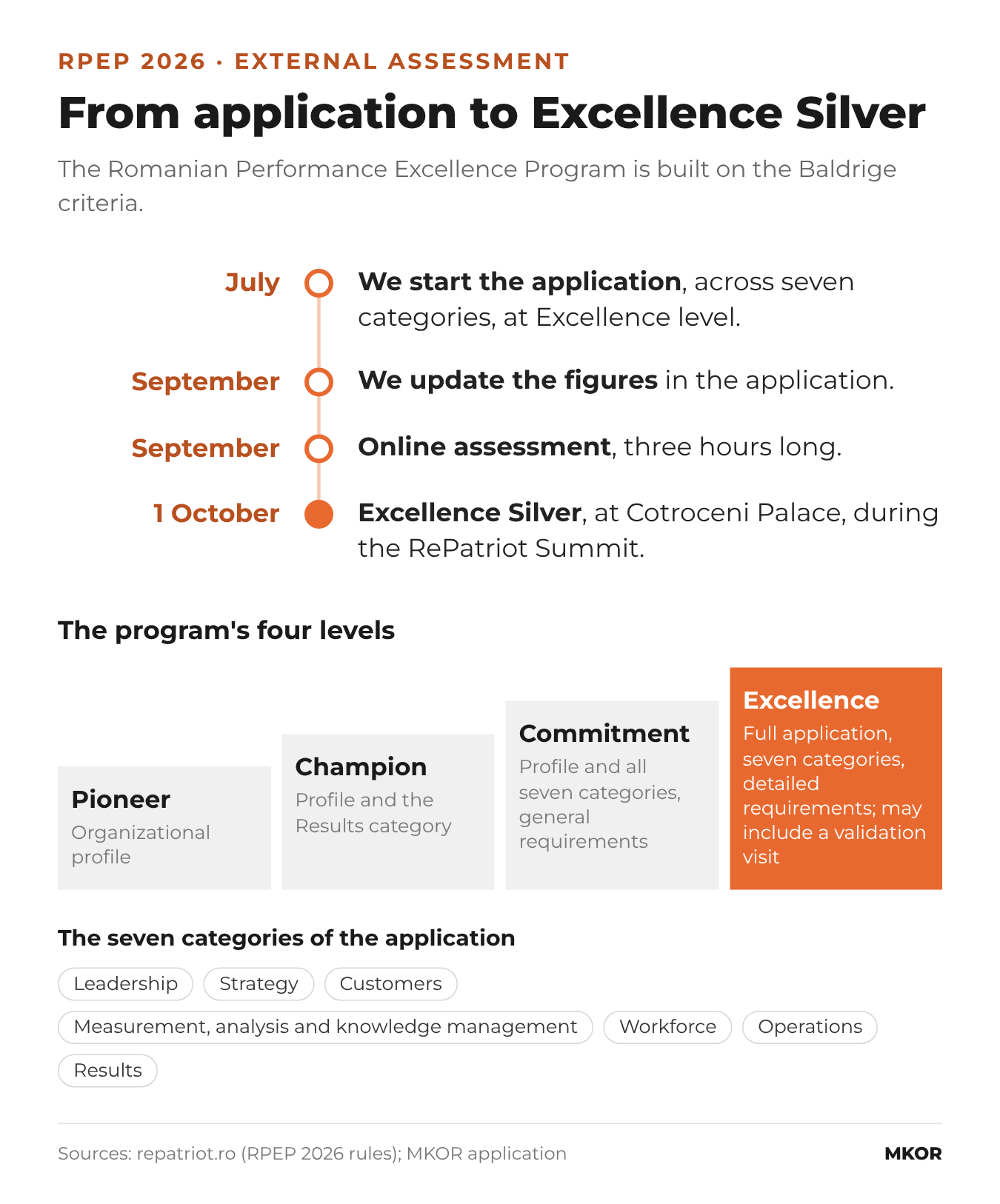
The evaluators’ observations come from the Romanian Performance Excellence Program (RPEP), a program built on the Baldrige criteria, used in the US since 1987. RPEP assesses how an organization is run and has four levels. At the Excellence level, the organization submits a full application across seven categories, and the assessment can include a validation visit, in person or online.
We entered at the Excellence level and worked on the application from July. Some of the things we were doing well weren’t written down, and others still needed work. We also described the duplicates case in the application. In September we updated the figures and had the three-hour online validation visit. We received the evaluators’ questions in advance, and in the discussion each topic was answered by the colleagues who handle it.
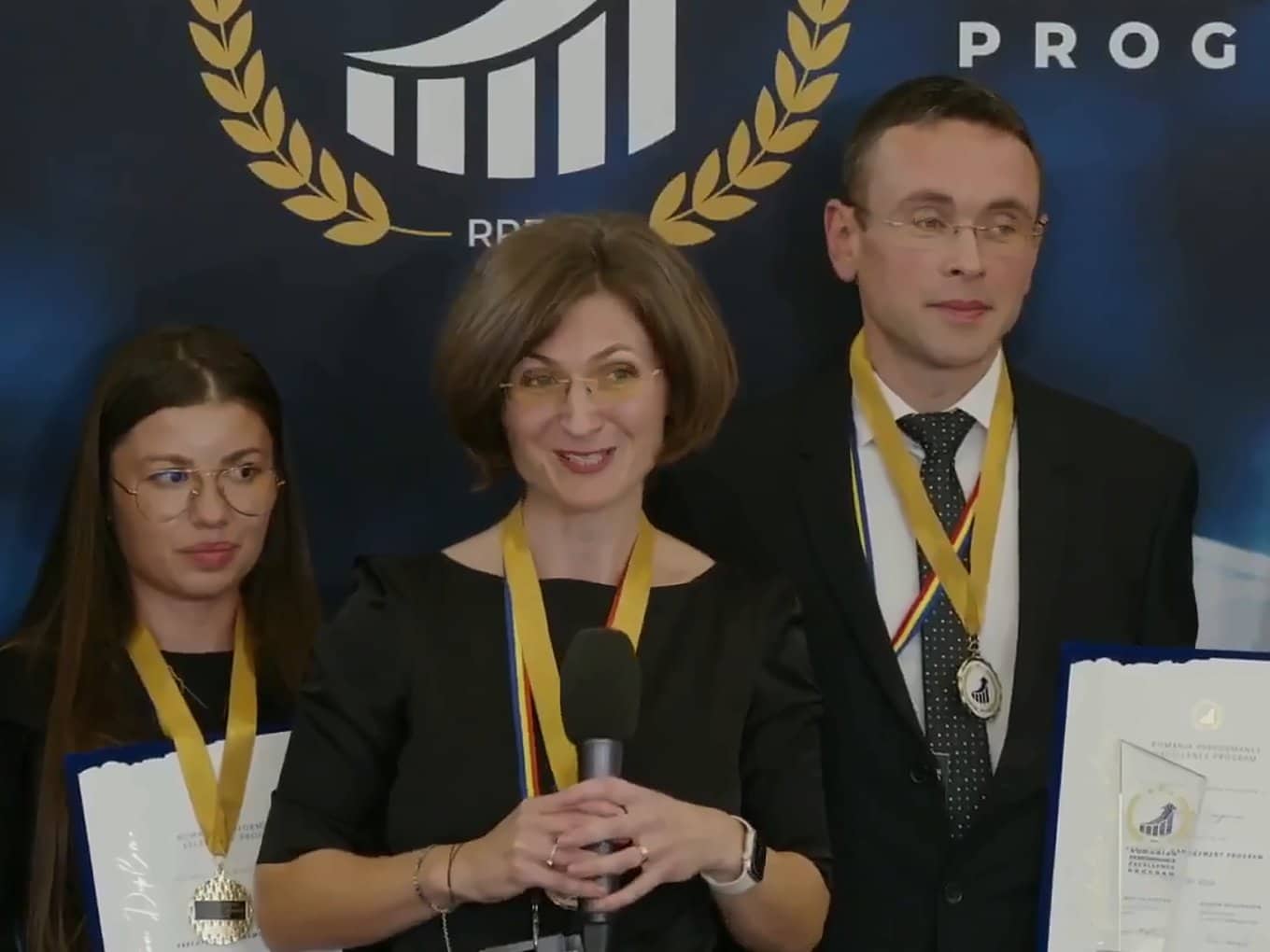
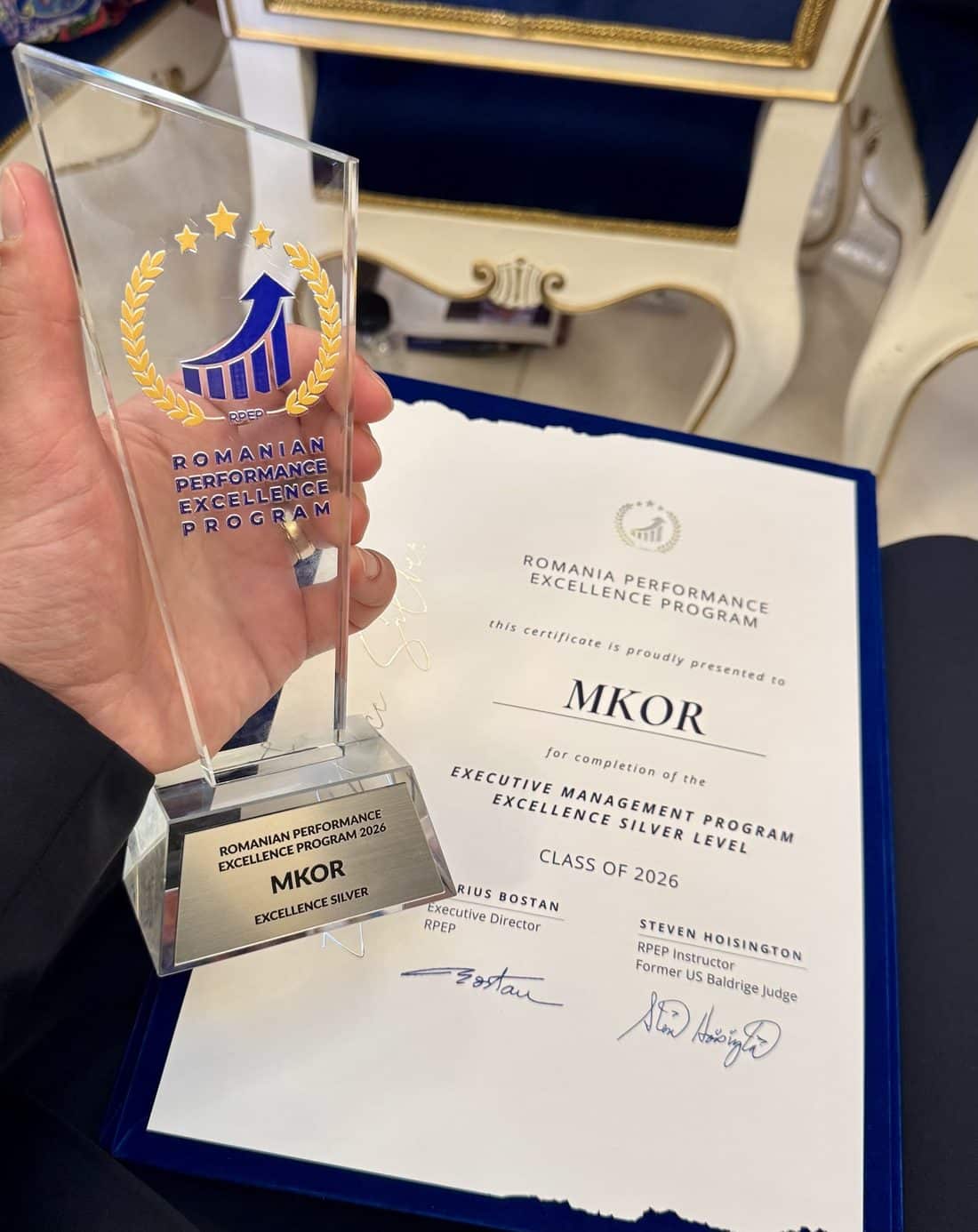
The Excellence level has three tiers: Bronze, Silver and Gold. On 1 October, at Cotroceni Palace, during the RePatriot Summit, we received Silver, the middle tier. We received a trophy and an Excellence Silver certificate. The certificate is signed by Marius Bostan, RPEP executive director, and Steven Hoisington, RPEP instructor and former Baldrige judge in the US. On stage, Steven Hoisington said that three organizations had applied at the Excellence level this year. You can watch the moment in the gala recording.
What the evaluators saw
From the rest of the report, which goes through all seven categories of the application, three more observations stood out for us.
- A model for others. The evaluators describe us as “clearly a role model for other entities in Romania to emulate”. They write that we adopted the Baldrige criteria as the principal means of assessing and improving the company, that we trained the whole team on the criteria and that the application was led by our senior leaders.
- Leadership. The first of the seven categories, leadership, is listed as “a significant strength of the organization”.
- Customers. The report notes “a strong focus on Customers”: we know who our customers are, what they require and how they are segmented.
The report also has a list of results we can’t yet show in figures, from complaint resolution indicators and supplier performance to business continuity.
The certificate concerns how the company is run and does not guarantee any particular study. For the study you commission, the five questions above still apply, and you can ask them without us.
Try the questions on one of our studies
MKOR’s own studies are on our studies page. The one on the Romanian diaspora in 2026 is a free download. Run it through the five questions and note what you find.
If you have proposals to compare, put the same questions to us in the first conversation, which is free. Write to us on the contact page.